


Learn about Eagle Eye Innovations and the people at the heart of the organisation.


UK Police Forces have been utilising drones for many years and 2025 marks a decade since Devon & Cornwall Police and Dorset Police created the first UK Police Drone Team, and marks almost a decade since we conducted our first Emergency Services Drone Training course with Surry & Sussex Police back in 2016.
Since then, drones have now found a vital role in law enforcement. From improving surveillance to aiding in search and rescue operations, drones have revolutionised the way police forces operate.
But why exactly did UK Police Forces decide to adopt drone technology?
One of the primary reasons UK Police Forces embraced drones is the ability to provide enhanced surveillance. Drones give officers a bird’s-eye view of large areas that may be difficult to monitor using other traditional methods. Whether it’s monitoring a protest, tracking a suspect, or surveying a crime scene, drones enable real-time data gathering, allowing police to make more informed decisions.
The ability to provide live video feeds to ground units or headquarters means that officers can plan their responses more effectively, increasing operational efficiency and safety.
Drones offer a significantly more affordable option than traditional aerial surveillance methods, like helicopters. While helicopters are expensive to operate and maintain, drones can be deployed quickly at a fraction of the cost. In addition, drones can access hard-to-reach areas, such as rugged terrain or crowded urban environments, without the need for costly ground or air resources.
Drones can be deployed quickly to aid in locating missing persons, especially in remote or difficult-to-reach areas. Equipped with high-resolution cameras, thermal imaging, and other advanced sensors, drones can cover vast areas quickly and help identify signs of life even in challenging conditions, like forests, mountains, or bodies of water.
The speed at which drones can be launched significantly reduces response times, enabling a fast, more effective search and rescue mission.
Drones have proven invaluable in assisting with crime scene investigations. In addition to documenting crime scenes with detailed aerial images, drones can capture a broader perspective of the scene, providing investigators with crucial insights that may not be apparent from the ground. These high-quality images can also be used as evidence in court, making drones a powerful tool in the justice process.
Furthermore, drones can be equipped with advanced mapping tools to create 3D models of crime scenes, offering an even more detailed and accurate representation that aids in solving cases.
Drones are also highly effective for managing public disorder and crowd control. They allow police to monitor large public events such as protests, concerts, or sporting events from above, providing real-time insights into crowd movements and potential safety risks. The aerial view can help law enforcement gauge the situation, ensuring they deploy the necessary resources efficiently and safely.
Additionally, drones can act as a deterrent to potential criminals. The sight of a drone hovering overhead may encourage individuals to behave responsibly, reducing the likelihood of public disorder.
Drones are increasingly being used in counter-terrorism efforts and to protect national security. Police Forces use drones to monitor high-risk areas, critical infrastructure, and public spaces, where they can identify suspicious activity and assess potential threats without placing officers in harm’s way. Their ability to provide real-time intelligence makes them an invaluable tool in preventing terrorism and other forms of organised crime.
In an age where security threats are constantly evolving, drones provide a flexible, low-risk way to stay ahead of potential dangers.
One of the biggest advantages of using drones in law enforcement is the ability to reduce risk to officers. Drones can be deployed in dangerous or high-risk situations, such as hostage scenarios or hazardous environments (for example, areas with chemical spills, fires, or toxic substances), without placing human officers directly in harms way.
They can also be used to assess the situation from a safe distance, allowing police to make more informed decisions and plan interventions more effectively.
Over the last 10 years, since the UK’s first Police Drone Team, drones have transformed the way UK Police Forces function. With their ability to enhance surveillance, reduce costs, improve response times, and gather crucial evidence, drones have become an essential tool in law enforcement. As technology continues to advance, it’s clear that drones will only become more integral to police operations in the future, helping to keep our communities safer and more secure.
News
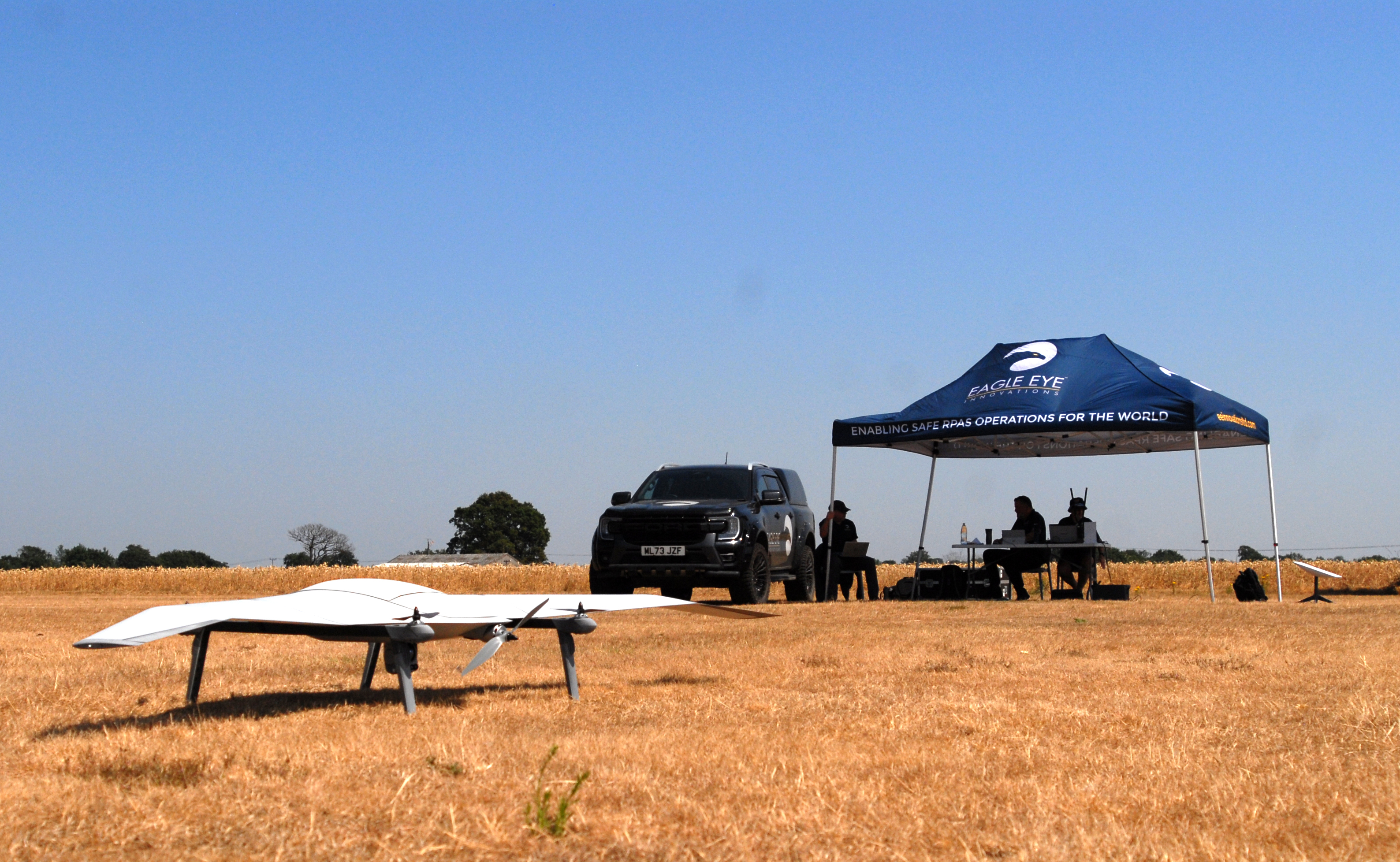
Eagle Eye Innovations (EEI) has been granted an Operational Authorisation by the UK Civil Aviation Authority (CAA), marking a significant milestone in the company’s development of advanced BVLOS operations and its future RPC-L2 training and assurance capability. The authorisation follows... Read more
Training
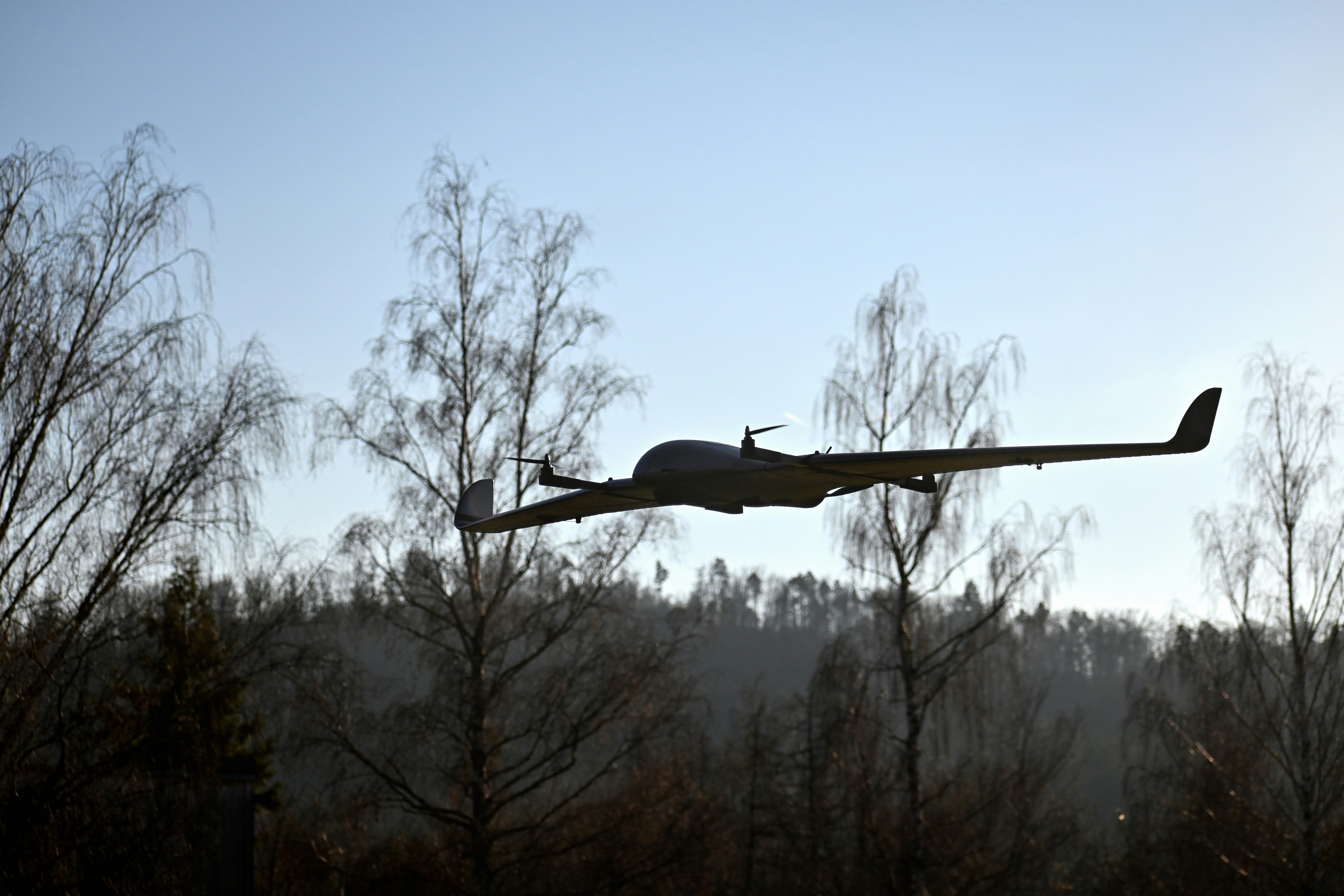
If your organisation relies on BVLOS drone data at scale, RPC-L2 is not optional it’s going to be essential. Read our latest blog, which explores some of the key applications for RPC-L2. Once you're done, get in touch with our team to discuss your UAS workflow and see how our training can help you hit your objectives.
Training
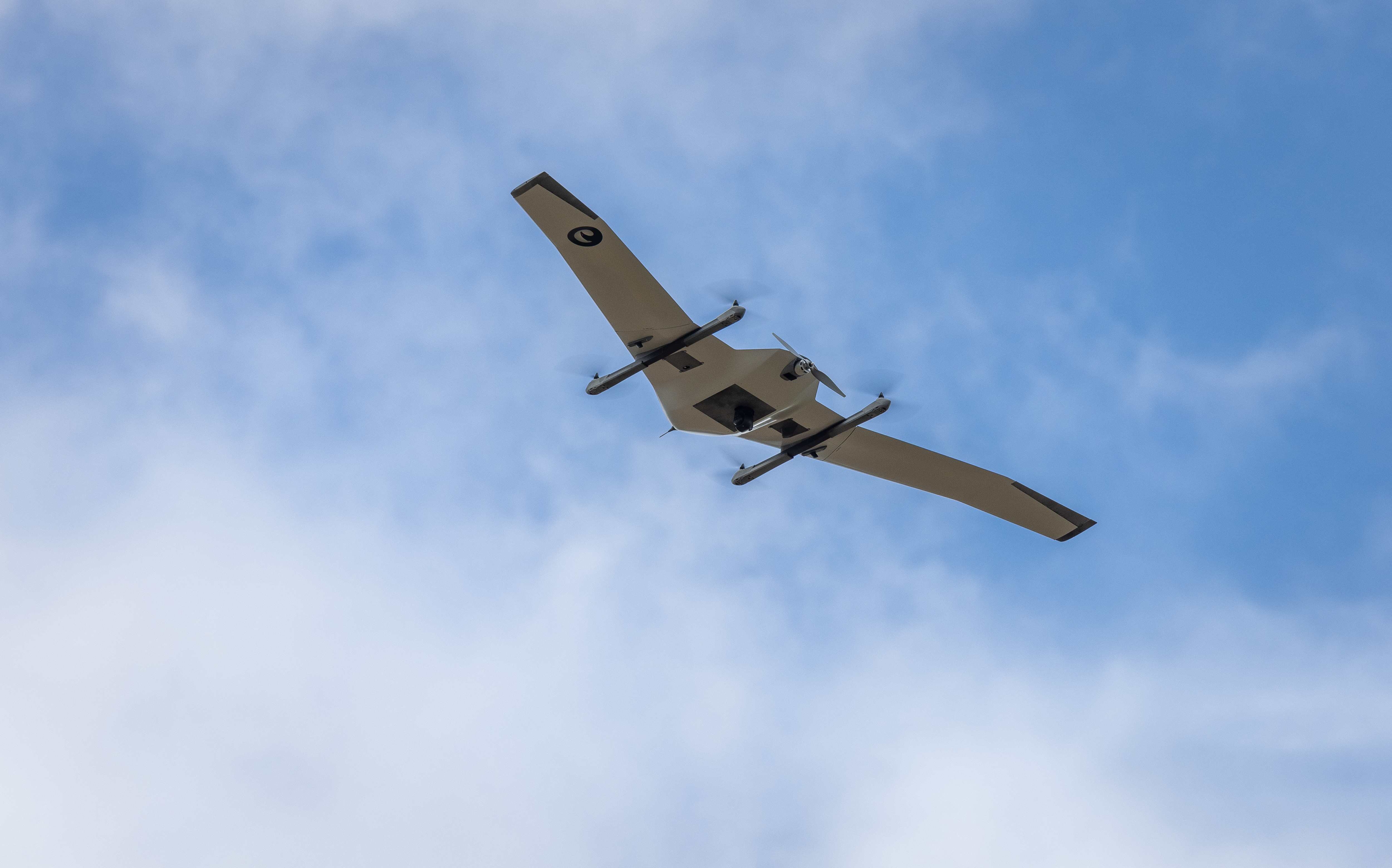
As the UK drone sector moves towards greater regulation and operational complexity, pilot competency has never been more critical. Our latest guide breaks down the new Remote Pilot Certificate Level 2 (RPC‑L2)—what it is, who it’s for, and how it enables pilots to safely progress into more advanced operations, including localised BVLOS flying.
News
ARPAS‑UK members can access a 10% discount on Eagle Eye Innovations’ RPC-L1 and future RPC-L2 training, offering accredited, professional drone pilot development.
Training

This month, our instructors have returned to Dubai to deliver a bespoke, two-week Emergency Services RPAS programme for members of the Abu Dhabi Police Force. The course is designed and delivered to introduce the Police Force to the tactical and procedural aspects of RPAS operations, and to demonstrate how these methods... Read more
Training

The widely recognised General Visual Line of Sight Certificate (GVC) is potentially being phased out completely over the next couple of years as outlined in CAP 3170, to be replaced by the new Remote Pilot Competence (RPC) Framework. But what does this mean for you?




You need to have an RPC-L1 Aeroplane qualification to begin this course, as this will build upon the fundamentals of fixed wing flying to convert you to type on our impressive DeltaQuad Evo RPAS. What’s more, you will also learn how to use the exceptional Auterion Mission Planner, which is the brains of the operation when using DeltaQuad. This is a VLOS course only, although we have the ability to further expand on this into the BVLOS environment, provided the correct regulatory approvals are established. Experience this cutting-edge VTOL RPAS now and let us show you how it can further benefit your operations.
Our new 1-day Observers course is designed to expand your RPAS crewing capabilities and de-risk more complex operations through the provision of professionally qualified RPAS safety observers. Utilising proven aviation standards and procedures, our professional and
experienced instructors will guide you through the fundamentals of Crew Resource Management, crew communications, RPAS control and coordination and give you the practical experience you need to maximise the benefits of your RPAS for VLOS operations and beyond.
If you hold a valid GVC and want to convert to an RPC-L1 qualification in the same category of UAS, under the CAA you are exempt from conducting the theory elements of the course and may progress directly to the practical elements. Therefore, you simply need to book
onto either our conversion course or the practical days of a full RPC-L1 course (provided there is capacity to fit you in). This will provide you with the minimum of 2-hours flight instruction before you attempt the flight assessment. Proof of GVC validity will be required prior to conducting the training.
This course is designed to qualify you in either Rotorcraft or Aeroplane, noting that you only need to conduct the practical aspects of the course, provided you have successfully passed the full Level 1 course in the other discipline.
(Please note this does not include conversion onto our DeltaQuad platform; that is a bespoke course in its own right).
 Make an enquiry