



Learn about Eagle Eye Innovations and the people at the heart of the organisation.

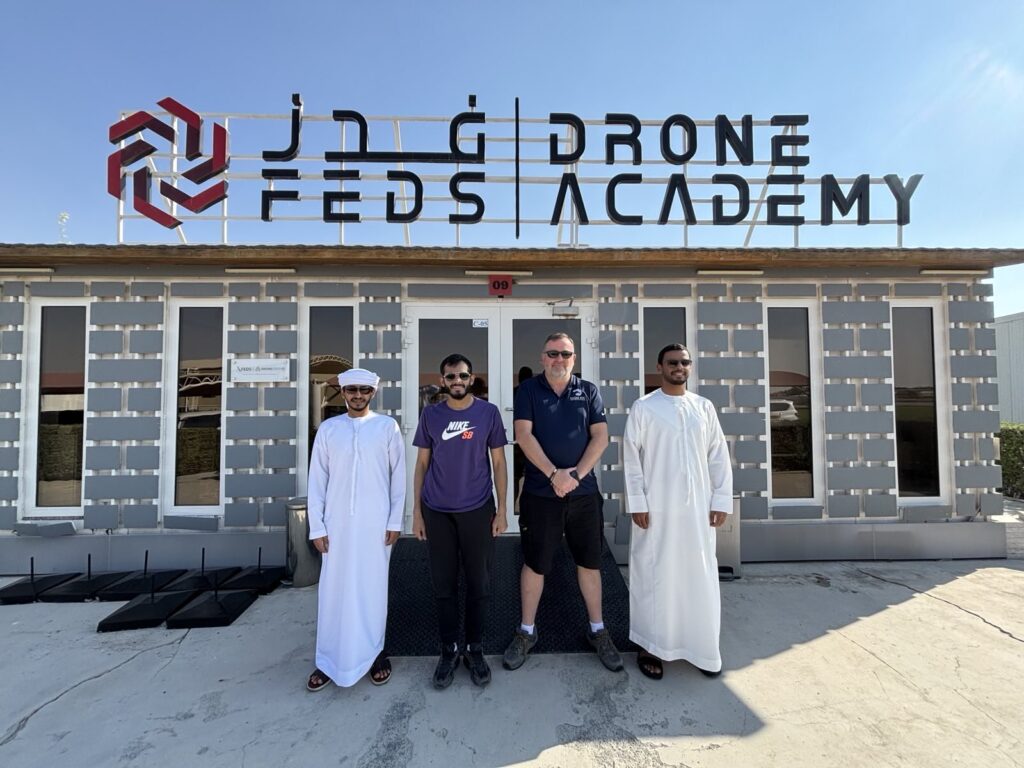
This month, our instructors have returned to Dubai to deliver a bespoke, two-week Emergency Services RPAS programme for members of the Abu Dhabi Police Force. The course is designed and delivered to introduce the Police Force to the tactical and procedural aspects of RPAS operations, and to demonstrate how these methods can be adapted to real-world policing scenarios across the UAE.
Although the course was tailored specifically for Abu Dhabi Police, the training took place in Dubai, which is important as each of the UAE’s seven emirates operates its own police force and follows its own RPAS regulations. These variations create operational complexities which the course directly addresses.
The course is delivered in partnership with FEDS, the leading drone solutions provider in the Middle East. FEDS has played an integral role in shaping the region’s approach to drone regulation, services, and training, making them the ideal partner for delivering the foundational phase of this course.
Course Overview
This bespoke two-week course was created to strengthen the Abu Dhabi Police’s ability to deploy RPAS across a range of policing tasks, from crime scene documentation to surveillance, search operations, and specialist indoor deployment.
Week 1: Foundation Training (delivered by FEDS)
The first week focused on core RPAS competency. FEDS instructors provided essential training on the systems and aircraft used throughout the course. Key modules included:
This first phase ensured every participant had a strong technical foundation before progressing to advanced tactical work.
Week 2: Operational & Tactical Training (delivered by EEI Instructors)
The second week focused on real-world deployment. Delivered by EEI instructors, with extensive military and policing backgrounds, this portion emphasised operational strategy, tactical applications, and scenario-based exercises. Key operational modules included:
Who was the course designed for?
While this programme was tailored for the Abu Dhabi Police, the structure is adaptable for any police force or emergency service worldwide seeking to integrate RPAS into their operations. Training can be customised to focus on a wide variety of employments, including surveillance, search and rescue, mapping, public safety operations, or specialist tactical deployment.
Key Outcomes
By the end of the two-week course, students achieved:
Final Thoughts
As drone technology continues to evolve, so does its importance within modern policing. This bespoke training programme provided the Abu Dhabi Police officers with the tactical skills, operational awareness, and platform confidence needed to deploy RPAS safely and effectively across a range of environments.
Our collaboration with FEDS Drone Academy strengthened every stage of the programme. Their regional expertise, regulatory knowledge, and operational experience ensured the training remained both internationally informed and locally relevant.
News
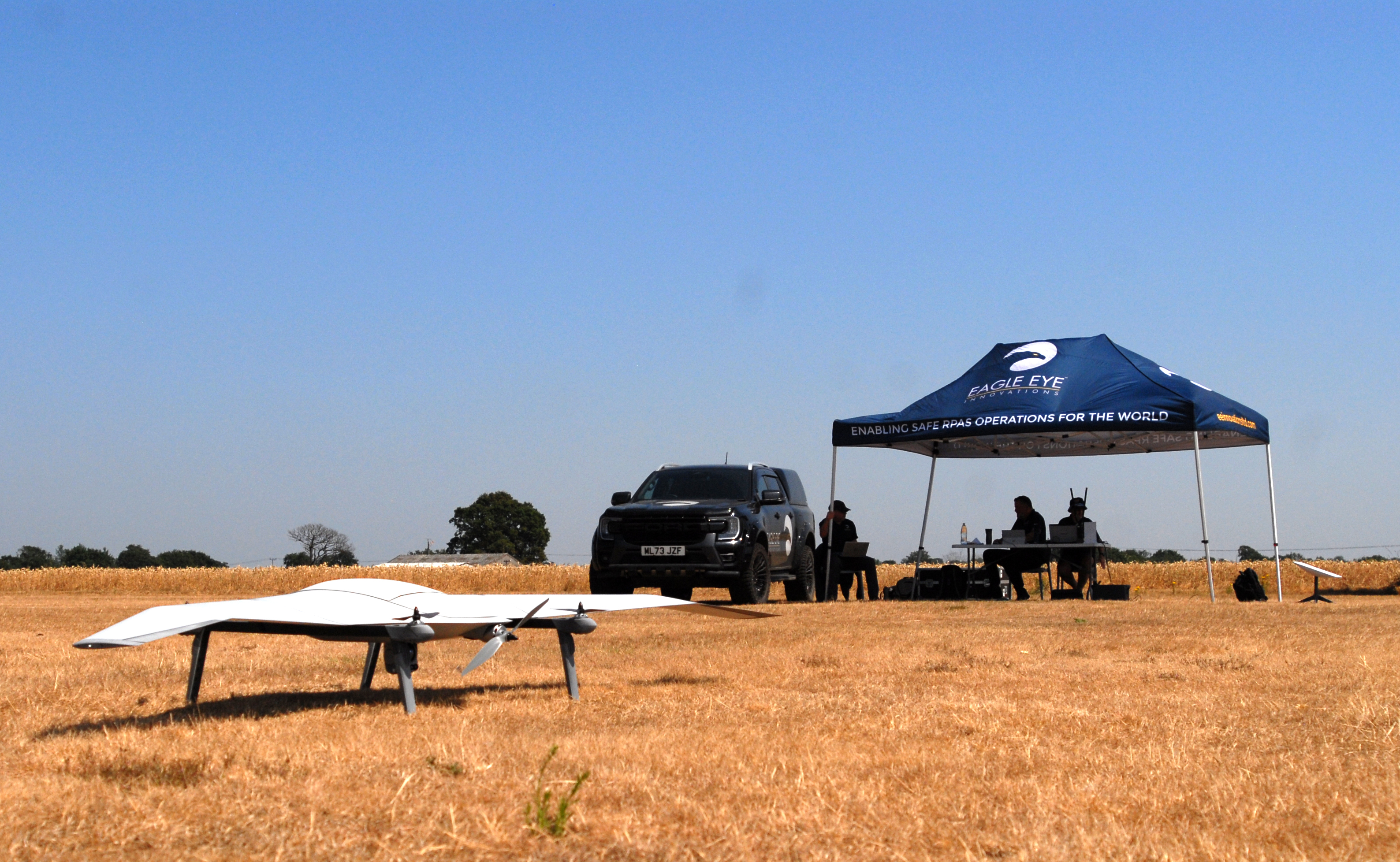
Eagle Eye Innovations (EEI) has been granted an Operational Authorisation by the UK Civil Aviation Authority (CAA), marking a significant milestone in the company’s development of advanced BVLOS operations and its future RPC-L2 training and assurance capability. The authorisation follows... Read more
Training
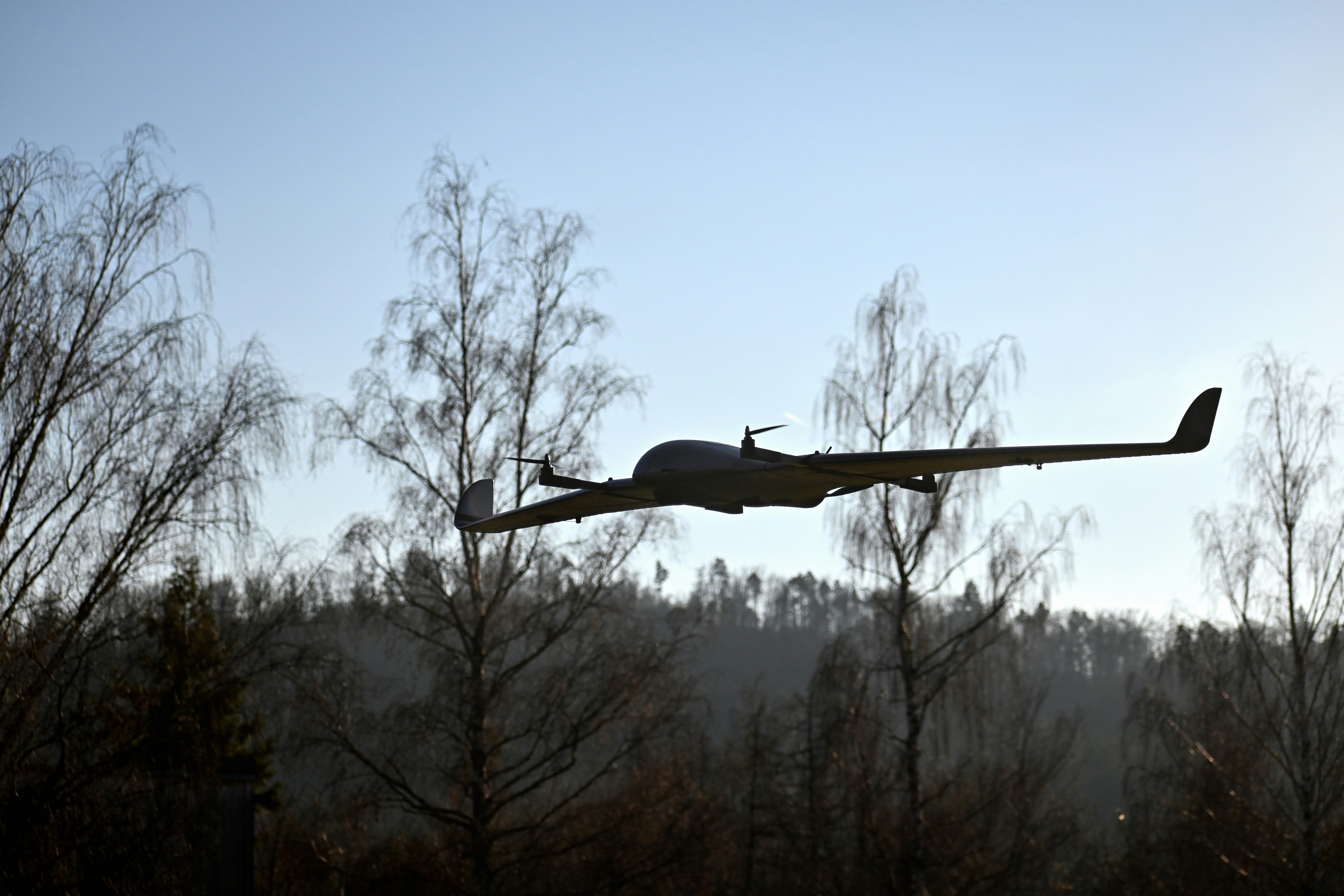
If your organisation relies on BVLOS drone data at scale, RPC-L2 is not optional it’s going to be essential. Read our latest blog, which explores some of the key applications for RPC-L2. Once you're done, get in touch with our team to discuss your UAS workflow and see how our training can help you hit your objectives.
Training
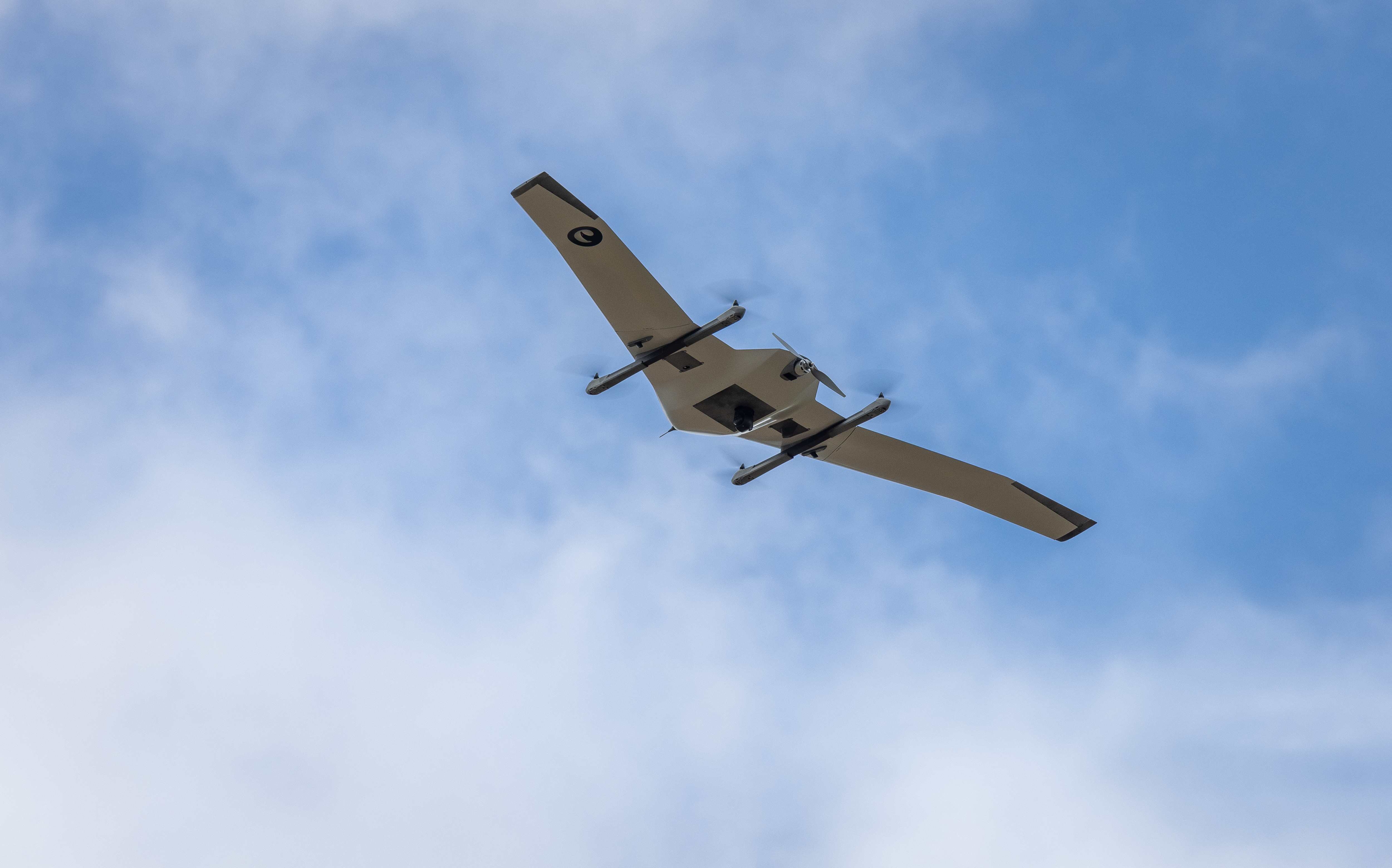
As the UK drone sector moves towards greater regulation and operational complexity, pilot competency has never been more critical. Our latest guide breaks down the new Remote Pilot Certificate Level 2 (RPC‑L2)—what it is, who it’s for, and how it enables pilots to safely progress into more advanced operations, including localised BVLOS flying.
News
ARPAS‑UK members can access a 10% discount on Eagle Eye Innovations’ RPC-L1 and future RPC-L2 training, offering accredited, professional drone pilot development.
Training

The widely recognised General Visual Line of Sight Certificate (GVC) is potentially being phased out completely over the next couple of years as outlined in CAP 3170, to be replaced by the new Remote Pilot Competence (RPC) Framework. But what does this mean for you?
Training

This year's UK SORA updates have put the importance of CRM into focus, ensuring that operators are evaluating and mitigating risk factors from both a technical and organisational perspective. Have you thought about the effects of CRM on your operations?




You need to have an RPC-L1 Aeroplane qualification to begin this course, as this will build upon the fundamentals of fixed wing flying to convert you to type on our impressive DeltaQuad Evo RPAS. What’s more, you will also learn how to use the exceptional Auterion Mission Planner, which is the brains of the operation when using DeltaQuad. This is a VLOS course only, although we have the ability to further expand on this into the BVLOS environment, provided the correct regulatory approvals are established. Experience this cutting-edge VTOL RPAS now and let us show you how it can further benefit your operations.
Our new 1-day Observers course is designed to expand your RPAS crewing capabilities and de-risk more complex operations through the provision of professionally qualified RPAS safety observers. Utilising proven aviation standards and procedures, our professional and
experienced instructors will guide you through the fundamentals of Crew Resource Management, crew communications, RPAS control and coordination and give you the practical experience you need to maximise the benefits of your RPAS for VLOS operations and beyond.
If you hold a valid GVC and want to convert to an RPC-L1 qualification in the same category of UAS, under the CAA you are exempt from conducting the theory elements of the course and may progress directly to the practical elements. Therefore, you simply need to book
onto either our conversion course or the practical days of a full RPC-L1 course (provided there is capacity to fit you in). This will provide you with the minimum of 2-hours flight instruction before you attempt the flight assessment. Proof of GVC validity will be required prior to conducting the training.
This course is designed to qualify you in either Rotorcraft or Aeroplane, noting that you only need to conduct the practical aspects of the course, provided you have successfully passed the full Level 1 course in the other discipline.
(Please note this does not include conversion onto our DeltaQuad platform; that is a bespoke course in its own right).
 Make an enquiry