



Learn about Eagle Eye Innovations and the people at the heart of the organisation.

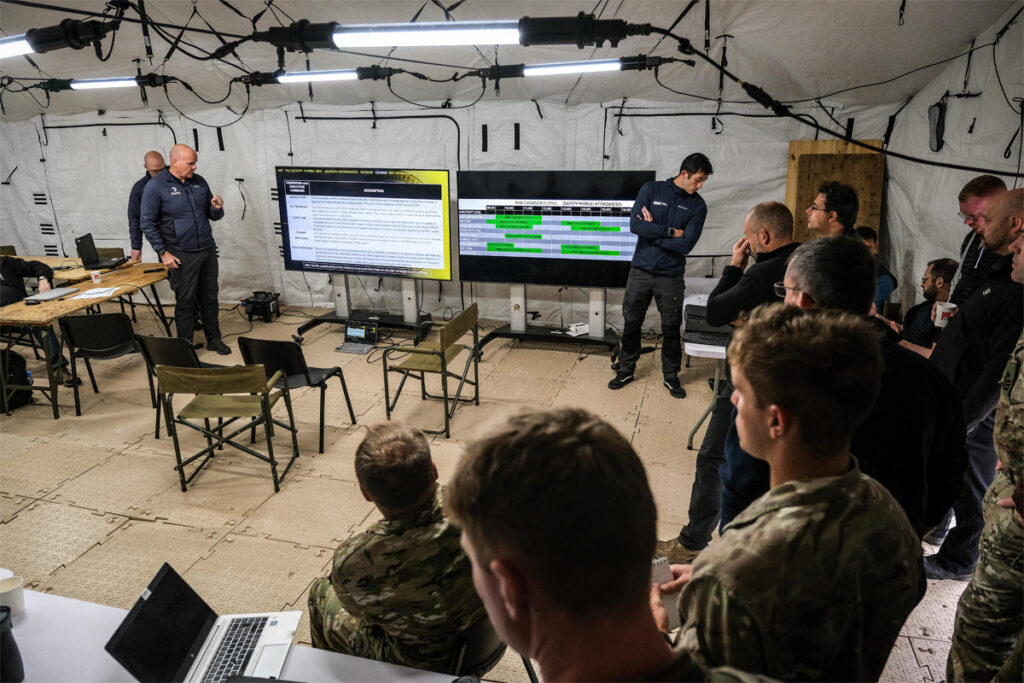
Crew Resource Management (CRM) in Drone Operations
As drone technology becomes further embedded across the business models of various industries, ranging from enabling drone operations to surveying and logistics, the regulatory landscape is also evolving to match the complexity and risks of these operations. The adoption of the UK SORA framework marks a significant shift toward a more structured and safety-oriented approach to drones.
While much of the focus is placed on technical mitigation and flight safety standards, there’s a critical piece of the puzzle that cannot be overlooked: Crew Resource Management (CRM).
Understanding CRM in Drone Operations
CRM refers to the effective use of all available resources, including human, technical, and procedural, to ensure safe and efficient operations. Originally developed in the airline industry to reduce human error, CRM focuses on communication, leadership, decision making, situational awareness and teamwork.
As drones take on more complex and autonomous tasks, and as missions increasingly move towards Beyond Visual Line of Sight (BVLOS) operations, the people behind the controls (and the broader operational crew) must be prepared to manage not just the systems, but the increased level of risk.
Why CRM is Now Essential Under the UK SORA Framework
The UK’s adoption of the SORA methodology introduces a structured way to evaluate and mitigate operational risks associated with drone missions that go beyond basic, low-risk activities. It requires operators to address both technical and organisational risk factors.
Here’s where CRM comes into play:
Operational Safety Objectives
Under SORA, you’re required to demonstrate your ability to manage not just the flight, but the whole operation, including human performance. Operators must show how they address limitations such as fatigue, miscommunication, and task saturation. CRM frameworks help ensure that:
Reducing Human Error
Most aviation incidents, both crewed and uncrewed, involve some level of human error. CRM training is designed to anticipate and reduce these errors. In a UK SORA risk assessment, operators need to demonstrate how their procedures account for the ‘human in the loop’, particularly during:
This risk awareness is essential when applying Operational Safety Objectives (OSOs) as part of your SORA.
BVLOS and Multi-Crew Operations
BVLOS and complex urban operations often require more than one person to manage navigation, payload, airspace monitoring, and safety assurance. Effective CRM enables:
Under UK SORA, failing to consider how a larger crew interacts with a system human-system could result in approval delays or operational incidents.
Training and Competency
UK SORA requires proof of competency for the personnel involved in an operation. This isn’t just about technical flying ability, it includes understanding how to communicate effectively, manage workload, and respond to emergencies. CRM training is an excellent way to formalise this competency.
Operators that embed these principles into their Safety Management System (SMS) will not only meet regulatory expectations but build more robust and reliable teams.
The Advantage of CRM
Good drone operators fly safely. Great operators build teams and cultures that ensure safety, even under pressure. By integrating CRM into your operational planning, you:
In short, CRM isn’t just for the airlines anymore, it’s fast becoming a best practice and even a requirement for serious drone operators under frameworks like UK SORA.
Final Thoughts
As the UK drone industry moves into a more regulated, risk-assessed future under the SORA framework, it’s clear that people are just as important as platforms. Drones don’t operate in isolation, they rely on well trained, aviation-minded crews to ensure missions succeed safely.
By adopting CRM principles, drone operators position themselves not only to meet regulatory standards but to build resilient, future-ready operations.
CRM isn’t just a compliance tool, it’s a competitive advantage.
Our new CRM course is coming soon…
News
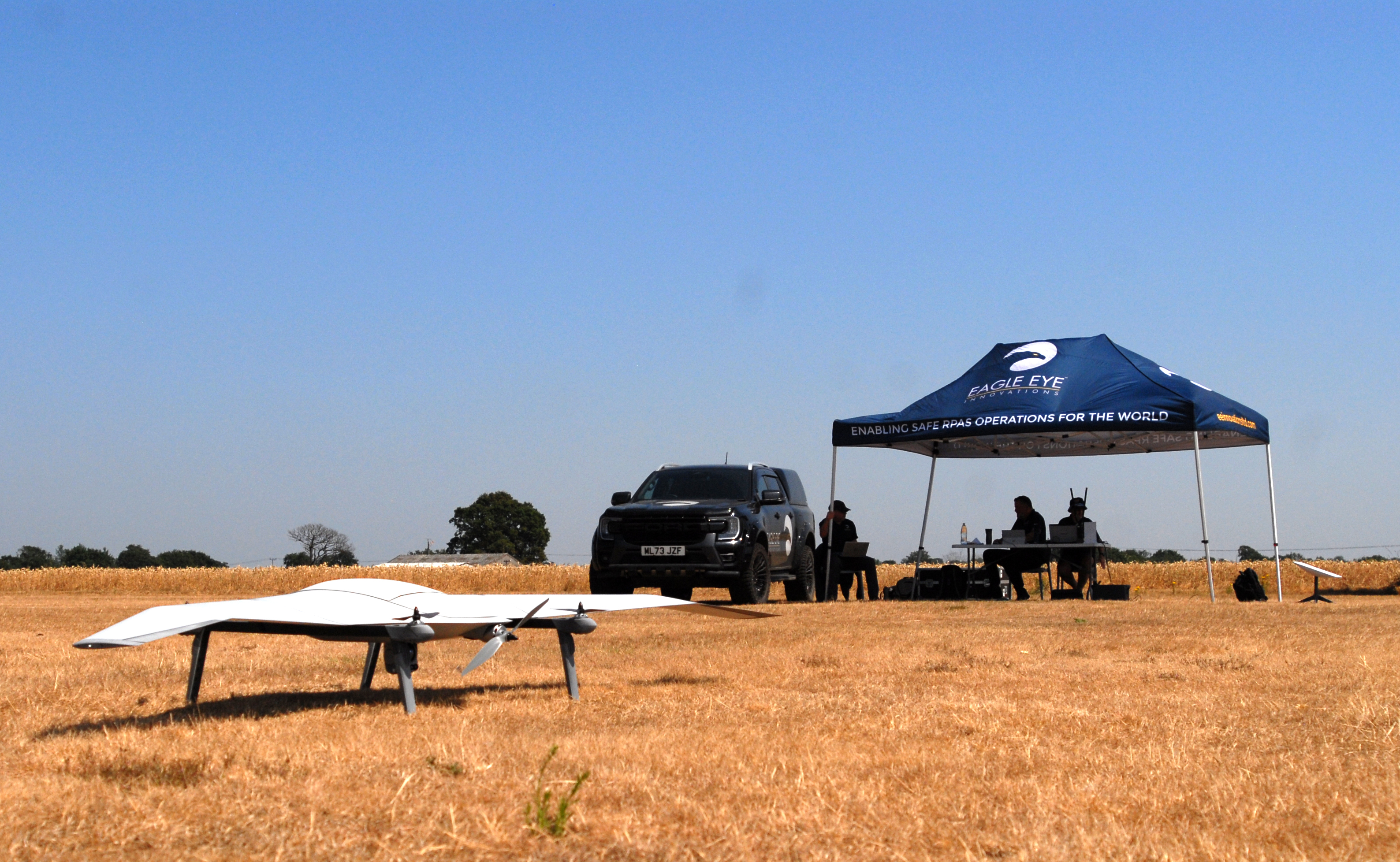
Eagle Eye Innovations (EEI) has been granted an Operational Authorisation by the UK Civil Aviation Authority (CAA), marking a significant milestone in the company’s development of advanced BVLOS operations and its future RPC-L2 training and assurance capability. The authorisation follows... Read more
Training
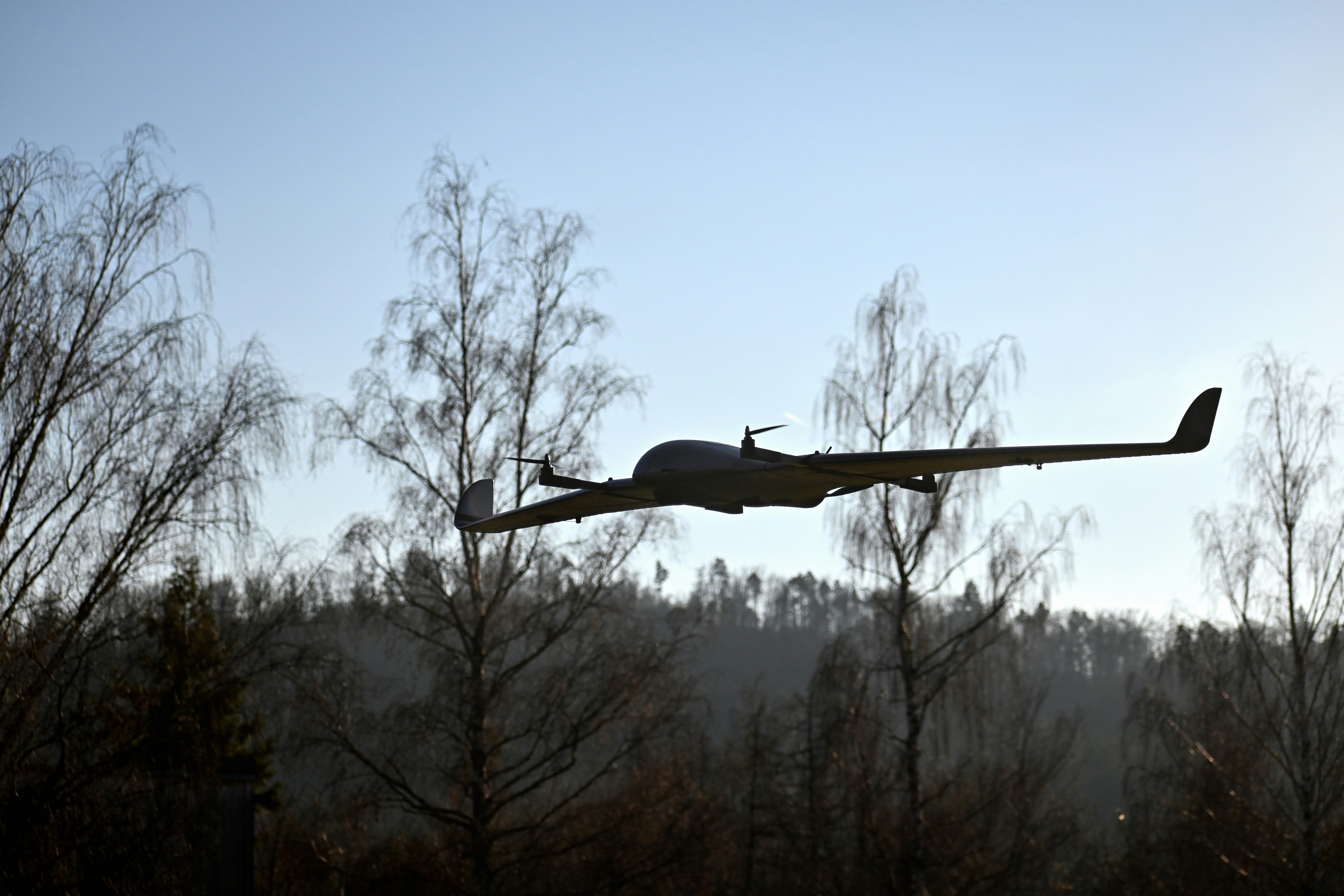
If your organisation relies on BVLOS drone data at scale, RPC-L2 is not optional it’s going to be essential. Read our latest blog, which explores some of the key applications for RPC-L2. Once you're done, get in touch with our team to discuss your UAS workflow and see how our training can help you hit your objectives.
Training
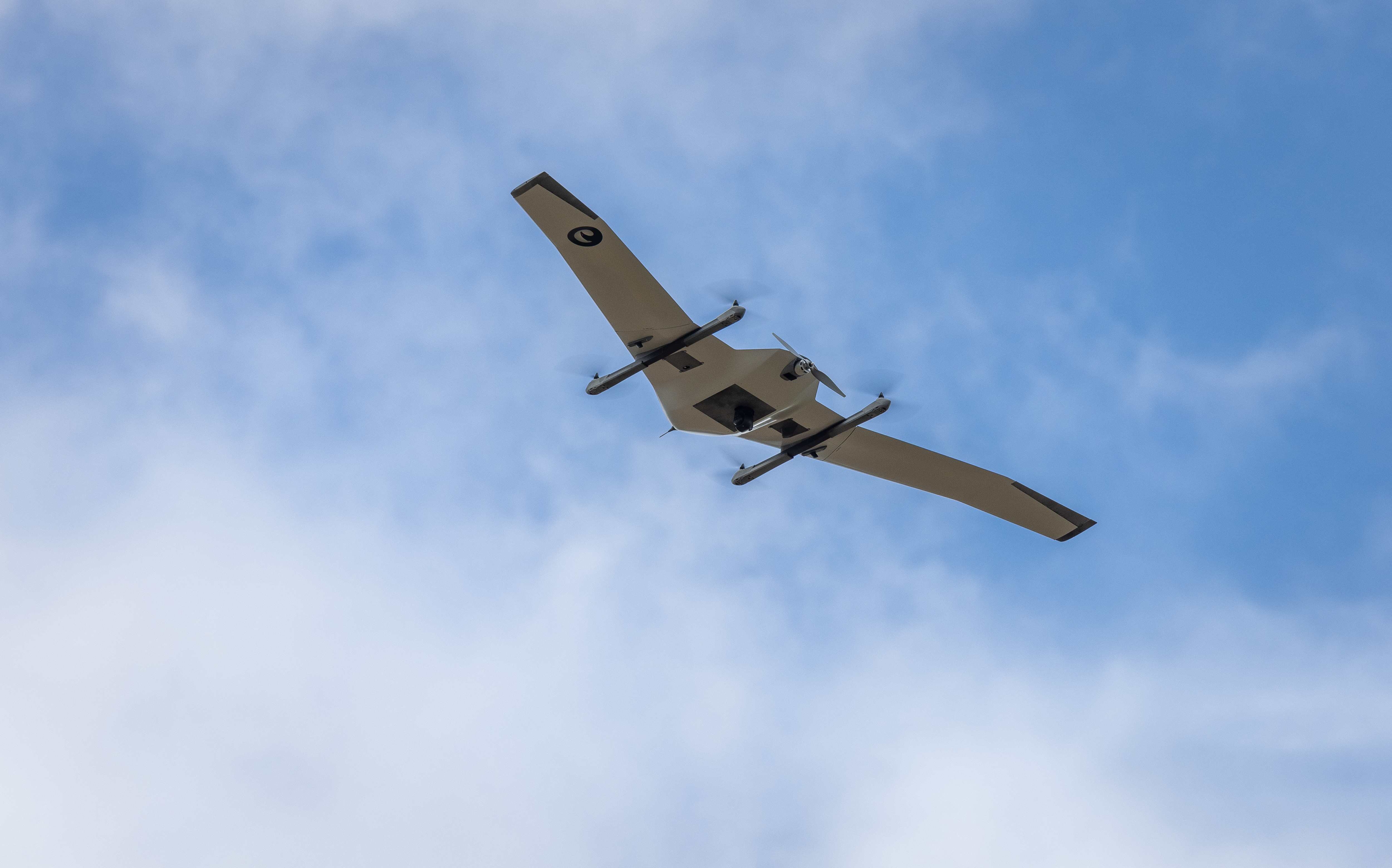
As the UK drone sector moves towards greater regulation and operational complexity, pilot competency has never been more critical. Our latest guide breaks down the new Remote Pilot Certificate Level 2 (RPC‑L2)—what it is, who it’s for, and how it enables pilots to safely progress into more advanced operations, including localised BVLOS flying.
News
ARPAS‑UK members can access a 10% discount on Eagle Eye Innovations’ RPC-L1 and future RPC-L2 training, offering accredited, professional drone pilot development.
Training

This month, our instructors have returned to Dubai to deliver a bespoke, two-week Emergency Services RPAS programme for members of the Abu Dhabi Police Force. The course is designed and delivered to introduce the Police Force to the tactical and procedural aspects of RPAS operations, and to demonstrate how these methods... Read more
Training

The widely recognised General Visual Line of Sight Certificate (GVC) is potentially being phased out completely over the next couple of years as outlined in CAP 3170, to be replaced by the new Remote Pilot Competence (RPC) Framework. But what does this mean for you?



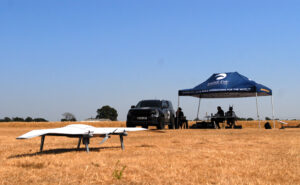
You need to have an RPC-L1 Aeroplane qualification to begin this course, as this will build upon the fundamentals of fixed wing flying to convert you to type on our impressive DeltaQuad Evo RPAS. What’s more, you will also learn how to use the exceptional Auterion Mission Planner, which is the brains of the operation when using DeltaQuad. This is a VLOS course only, although we have the ability to further expand on this into the BVLOS environment, provided the correct regulatory approvals are established. Experience this cutting-edge VTOL RPAS now and let us show you how it can further benefit your operations.
Our new 1-day Observers course is designed to expand your RPAS crewing capabilities and de-risk more complex operations through the provision of professionally qualified RPAS safety observers. Utilising proven aviation standards and procedures, our professional and
experienced instructors will guide you through the fundamentals of Crew Resource Management, crew communications, RPAS control and coordination and give you the practical experience you need to maximise the benefits of your RPAS for VLOS operations and beyond.
If you hold a valid GVC and want to convert to an RPC-L1 qualification in the same category of UAS, under the CAA you are exempt from conducting the theory elements of the course and may progress directly to the practical elements. Therefore, you simply need to book
onto either our conversion course or the practical days of a full RPC-L1 course (provided there is capacity to fit you in). This will provide you with the minimum of 2-hours flight instruction before you attempt the flight assessment. Proof of GVC validity will be required prior to conducting the training.
This course is designed to qualify you in either Rotorcraft or Aeroplane, noting that you only need to conduct the practical aspects of the course, provided you have successfully passed the full Level 1 course in the other discipline.
(Please note this does not include conversion onto our DeltaQuad platform; that is a bespoke course in its own right).
 Make an enquiry