



Learn about Eagle Eye Innovations and the people at the heart of the organisation.


Latest news:
Parliamentary launch highlights role of regional airports in delivering the UK’s future flight ambitions Industry leaders, policymakers and aviation stakeholders gathered in Parliament today to launch a new vision for accelerating the UK’s future flight economy through the creation of... Read more

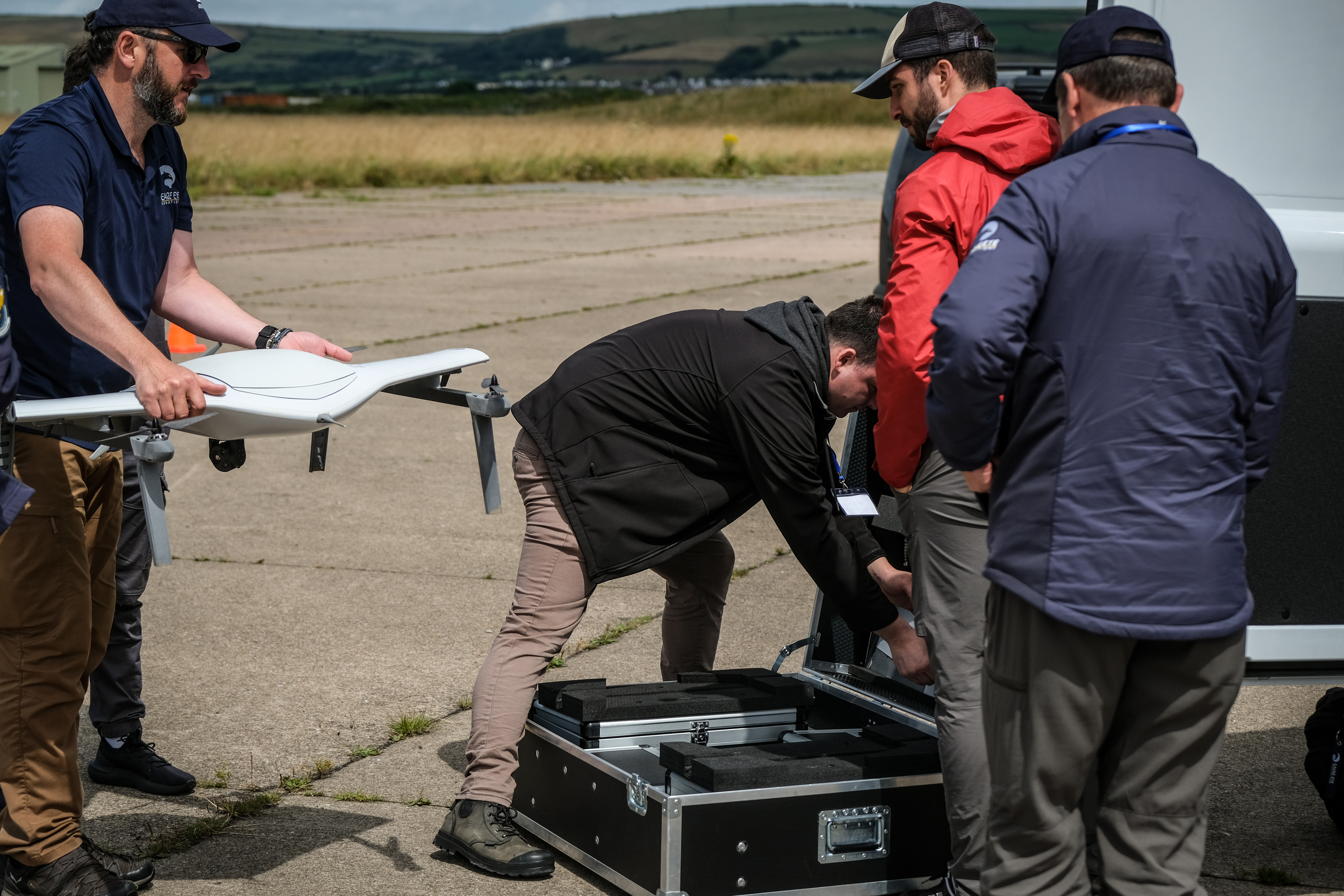
PUBLIC TRAINING COURSE
The A2 Certificate of Competency (A2CofC) is a foundational qualification for drone operators, enabling safe and legal flights in the Open category, including closer proximity to people in congested areas. With a 5-year validity, it’s essential to renew your A2CofC to remain compliant with regulations and continue operating confidently. If you feel a refresher on the theory would be beneficial, EEI offers the option to complete the full A2CofC course as part of your renewal process, ensuring you’re fully prepared.
In accordance with CAA direction, all Remote Pilots (RP) renewing an A2CofC will be required to make a declaration of RP competence and provide the following evidence to EEI as the Recognised Assessment Entity (RAE):
Within 6-months of your qualification expiring, you are entitled to book a renewal with EEI. The RP will have one opportunity to attempt a theoretical exam where they must achieve a minimum pass mark of 75%. If the RP fails the assessment, they must complete a full A2CofC theoretical course and a further assessment using a different assessment paper. Please note that assessment results are relayed back to the CAA for tracking. The RP will have the option to conduct the full A2CofC course from the outset if they feel they would benefit from a refresh of the theory.
Should you need to conduct the EEI A2CofC full course, it is conducted over 5-hours of theoretical training and culminates in a multiple-choice exam. The ground school is divided into three key modules:
Interested in booking your renewal? Get in touch and we will contact you to discuss.
Enquire now
Alternatively you can book the full A2CofC course here.
Book Full A2CofC Course
News
Parliamentary launch highlights role of regional airports in delivering the UK’s future flight ambitions Industry leaders, policymakers and aviation stakeholders gathered in Parliament today to launch a new vision for accelerating the UK’s future flight economy through the creation of... Read more
Technical Services

Choosing the right drone platform isn’t just a technical decision, it can define the success of your entire operation. In our latest blog, we break down the key differences between rotorcraft and Fixed Wing VTOL, real-world applications, and how to build a capability-led approach that delivers results.
Training
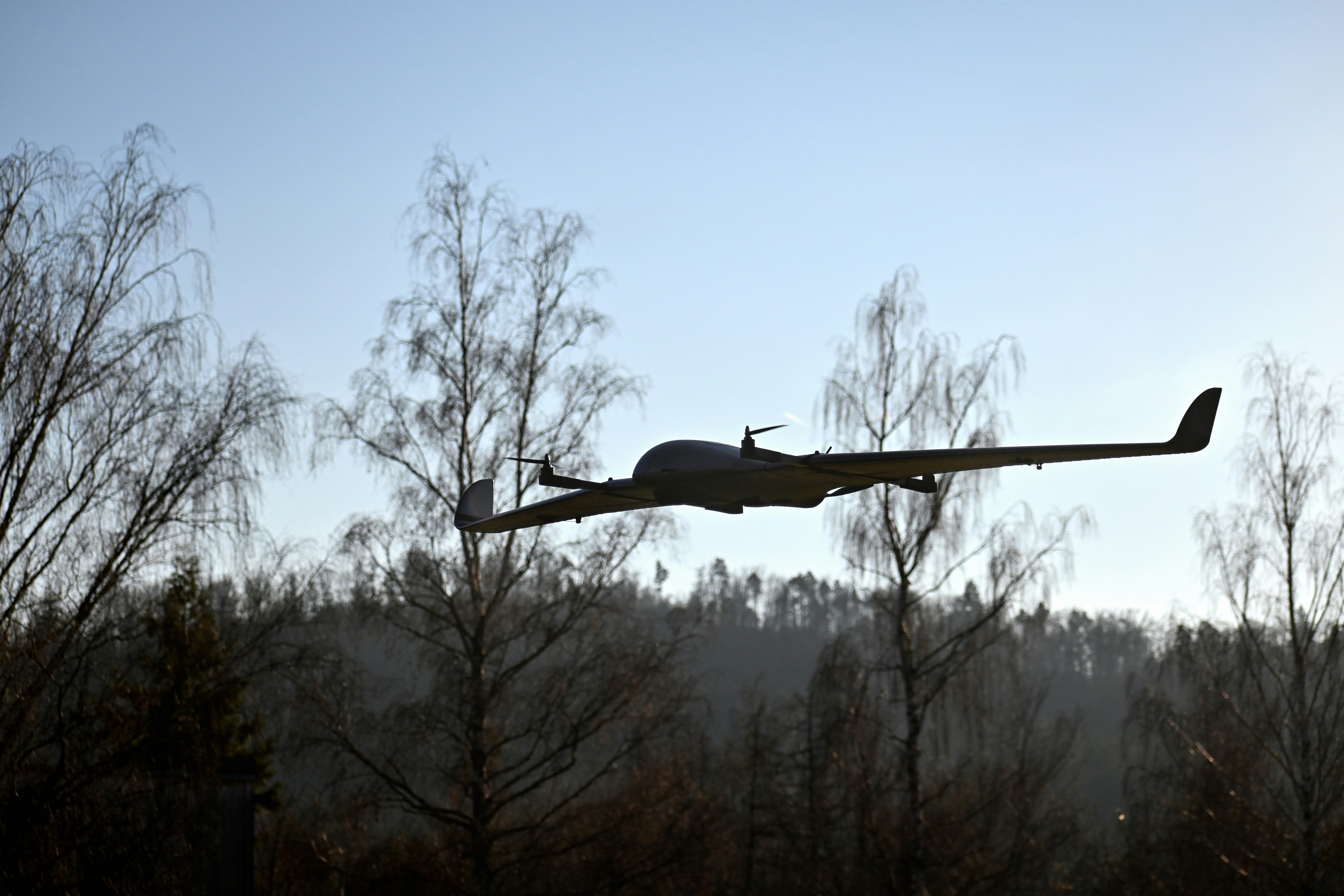
If your organisation relies on BVLOS drone data at scale, RPC-L2 is not optional it’s going to be essential. Read our latest blog, which explores some of the key applications for RPC-L2. Once you're done, get in touch with our team to discuss your UAS workflow and see how our training can help you hit your objectives.
News
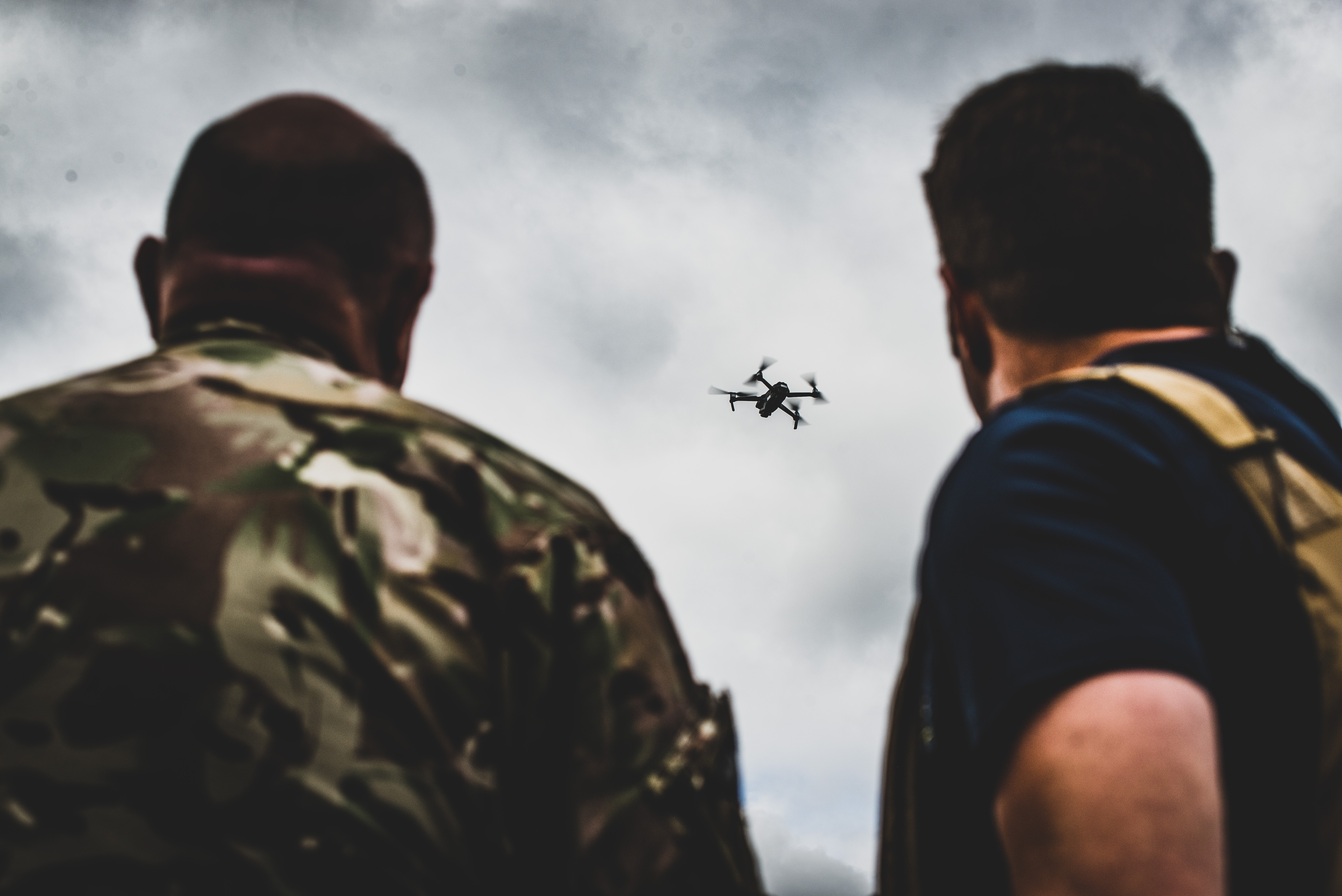
The UK’s £5 billion investment in drones and autonomous systems represents a major shift in defence capability. However, technology alone is not enough. Success depends on skilled personnel, robust operating frameworks, and effective integration into real-world operations. In this article we'll explore how defence organisations can turn drone investment into scalable operational capability, and how Eagle Eye Innovations helps bridge the gap between strategy, training, and deployment to deliver mission-ready outcomes.
Training
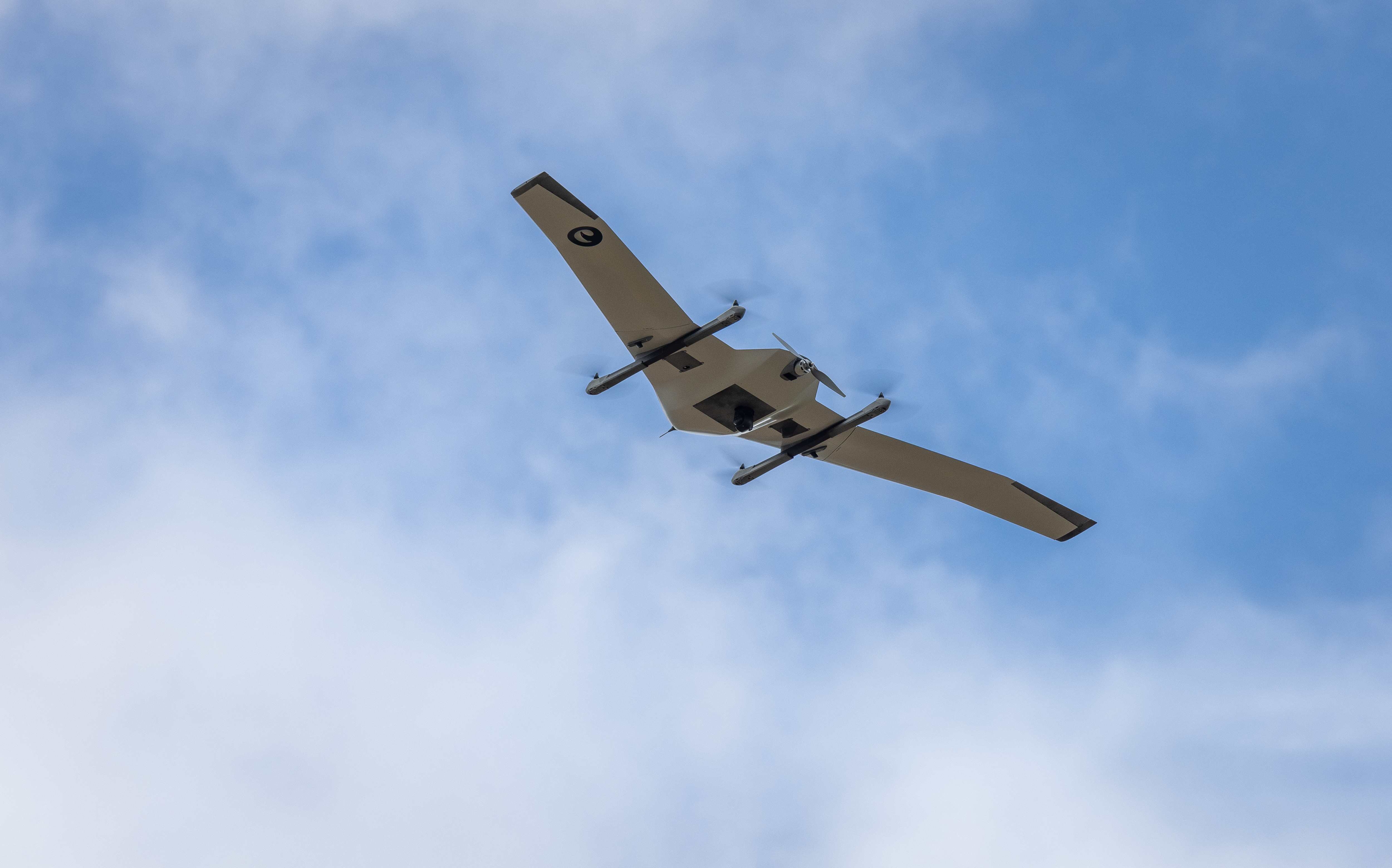
As the UK drone sector moves towards greater regulation and operational complexity, pilot competency has never been more critical. Our latest guide breaks down the new Remote Pilot Certificate Level 2 (RPC‑L2)—what it is, who it’s for, and how it enables pilots to safely progress into more advanced operations, including localised BVLOS flying.
News
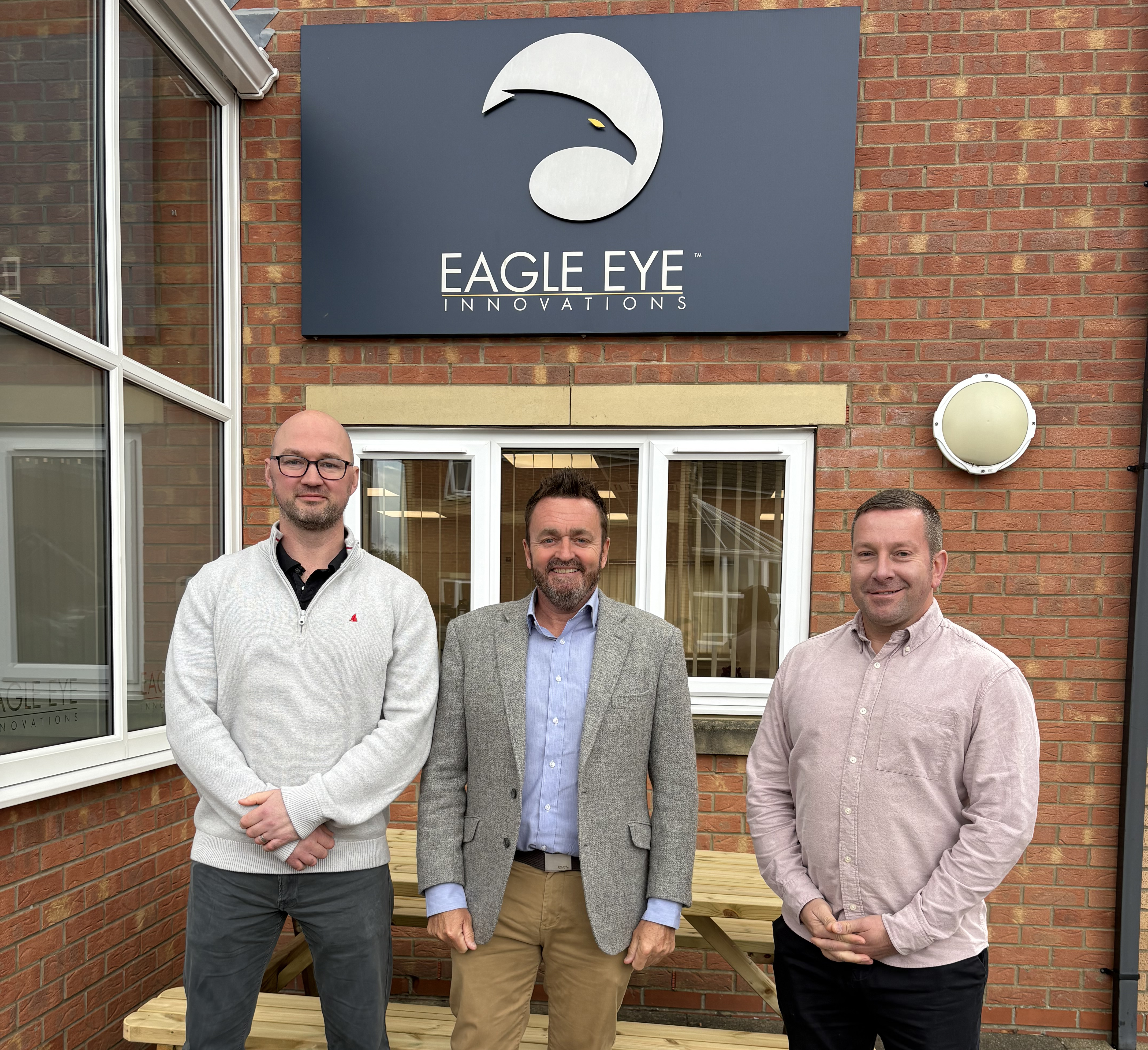
Eagle Eye Innovations partners with Capytech UK to revolutionise drone training through a powerful, scalable LMS for modern aviation professionals.





You need to have an RPC-L1 Aeroplane qualification to begin this course, as this will build upon the fundamentals of fixed wing flying to convert you to type on our impressive DeltaQuad Evo RPAS. What’s more, you will also learn how to use the exceptional Auterion Mission Planner, which is the brains of the operation when using DeltaQuad. This is a VLOS course only, although we have the ability to further expand on this into the BVLOS environment, provided the correct regulatory approvals are established. Experience this cutting-edge VTOL RPAS now and let us show you how it can further benefit your operations.
Our new 1-day Observers course is designed to expand your RPAS crewing capabilities and de-risk more complex operations through the provision of professionally qualified RPAS safety observers. Utilising proven aviation standards and procedures, our professional and
experienced instructors will guide you through the fundamentals of Crew Resource Management, crew communications, RPAS control and coordination and give you the practical experience you need to maximise the benefits of your RPAS for VLOS operations and beyond.
If you hold a valid GVC and want to convert to an RPC-L1 qualification in the same category of UAS, under the CAA you are exempt from conducting the theory elements of the course and may progress directly to the practical elements. Therefore, you simply need to book
onto either our conversion course or the practical days of a full RPC-L1 course (provided there is capacity to fit you in). This will provide you with the minimum of 2-hours flight instruction before you attempt the flight assessment. Proof of GVC validity will be required prior to conducting the training.
This course is designed to qualify you in either Rotorcraft or Aeroplane, noting that you only need to conduct the practical aspects of the course, provided you have successfully passed the full Level 1 course in the other discipline.
(Please note this does not include conversion onto our DeltaQuad platform; that is a bespoke course in its own right).

 Make an enquiry