


Learn about Eagle Eye Innovations and the people at the heart of the organisation.

The Government’s Defence Investment Plan signals a decisive shift in how military capability will be delivered over the coming decade. With more than £5 billion committed to drones and autonomous systems, the message is unambiguous: the future of defence will be uncrewed, data-driven, and rapidly adaptable.
However, this investment is not simply about acquiring technology. It reflects a fundamental transition in how HM Armed Forces will operate; moving towards a fully integrated, multi-domain capability, where drones are no longer supporting assets but central to operational success.
The question facing defence organisations is no longer whether to adopt drones, but how to translate funding into deployable, scalable capability.
For decades, military strength has been defined by large, complex platforms. The Defence Investment Plan completely challenges that model; prioritising agile, scalable and cost-effective autonomous systems that can evolve at pace.
Across land, sea and air, the MOD’s ambition is clear: deliver a drone-enabled force, where uncrewed systems operate alongside existing assets to enhance reach, persistence and precision.
Recent conflicts such as Ukraine and the Middle East have demonstrated why this matters. Drones deliver real-time intelligence, precision effects, and rapid adaptability at a fraction of the cost of traditional platforms.
This is not an incremental change; it is a dynamic shift toward hybrid engagement at scale.
While the scale of investment is significant, funding alone will not deliver operational advantage; defence organisations now face more complex challenges:
In practice, this is where many programmes falter. Technology is procured, pilots are trained, but operational capability does not materialise at scale.
Success depends on three factors:
Eagle Eye Innovations is focused on one outcome: turning drone investment into operational capability that can be deployed safely, effectively, and at scale.
We work at the intersection of training, operations, and programme development, bridging the gap between emerging technology and real-world delivery.
Our experience spans defence-aligned organisations and complex operating environments, bringing together deep military understanding with practical drone expertise.
The model outlined below, is designed to ensure that drone programmes can move beyond experimentation with autonomous systems into a sustainable operational capability.
Assess: Evaluate organisational readiness, airspace access, regulatory position, and mission requirements
Design: Develop scalable drone operating concepts, governance frameworks, and operating procedures
Train: Deliver structured training pathways that produce competent, mission-ready remote pilots
Deploy: Support live operations, ensuring safe and effective integration into real-world environments
Scale: Enable repeatable, auditable and expandable drone capability across the organisation
For organisations seeking to align themselves with the Defence Investment Plan and access emerging opportunities, three immediate priorities stand out:
Organisations that can demonstrate these capabilities will be best positioned to unlock funding, secure contracts, and deliver operational value to HM Armed Forces.
The UK has made a decisive commitment to drone capability. The opportunity is significant; but so are the challenges in execution. Drones will only deliver operational advantage when they are:
This is where the real transformation lies, not in technology, but in how it is applied.
Eagle Eye Innovations stands ready to support defence organisations at every stage of this journey; from capability design and training to operational integration and programme scale-up.
Our focus is simple: ensuring that investment translates into real-world capability that can be deployed with confidence.
If your organisation is developing or scaling drone capability in line with the Defence Investment Plan, we welcome the opportunity to discuss how to move from concept to operational delivery.
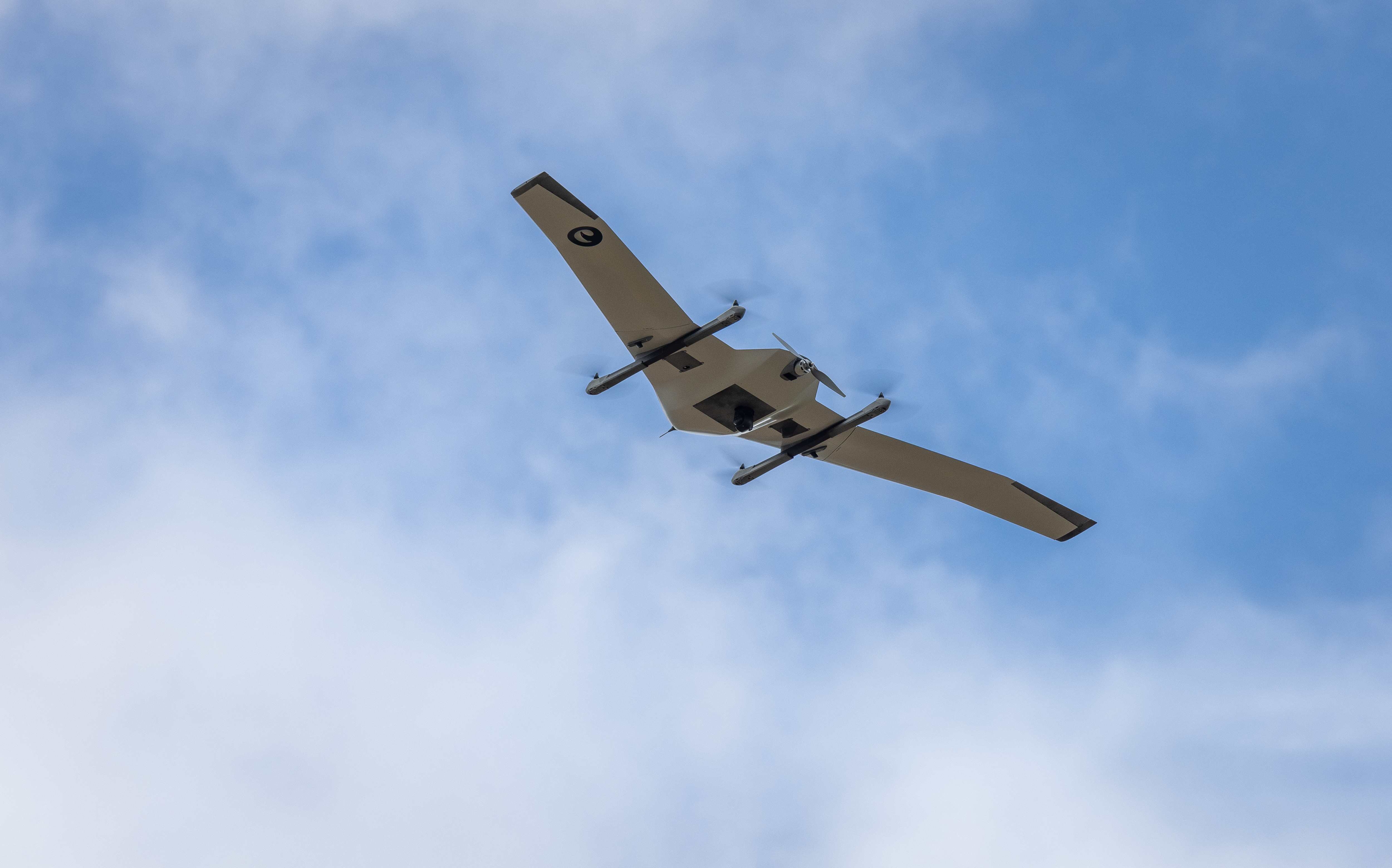
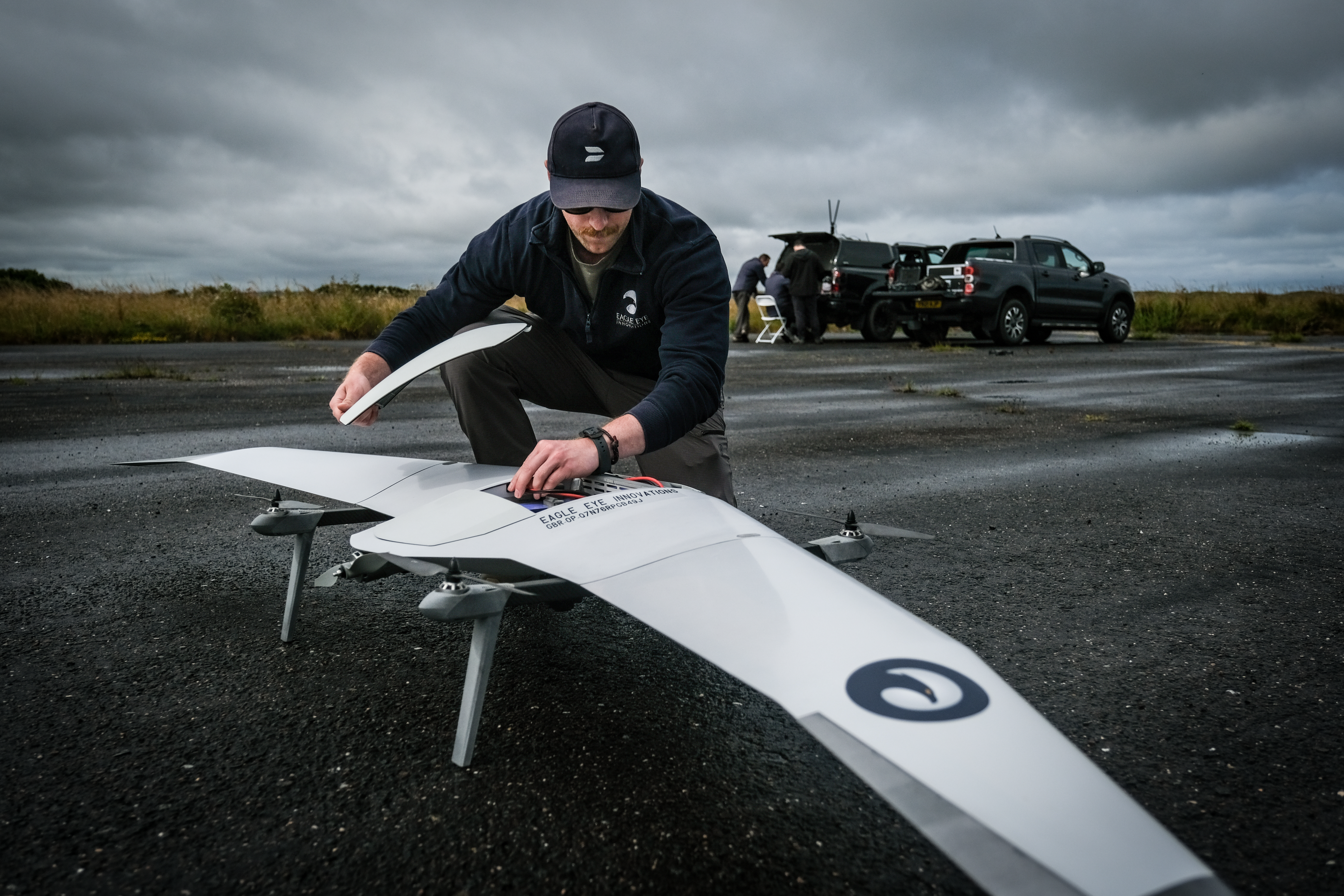

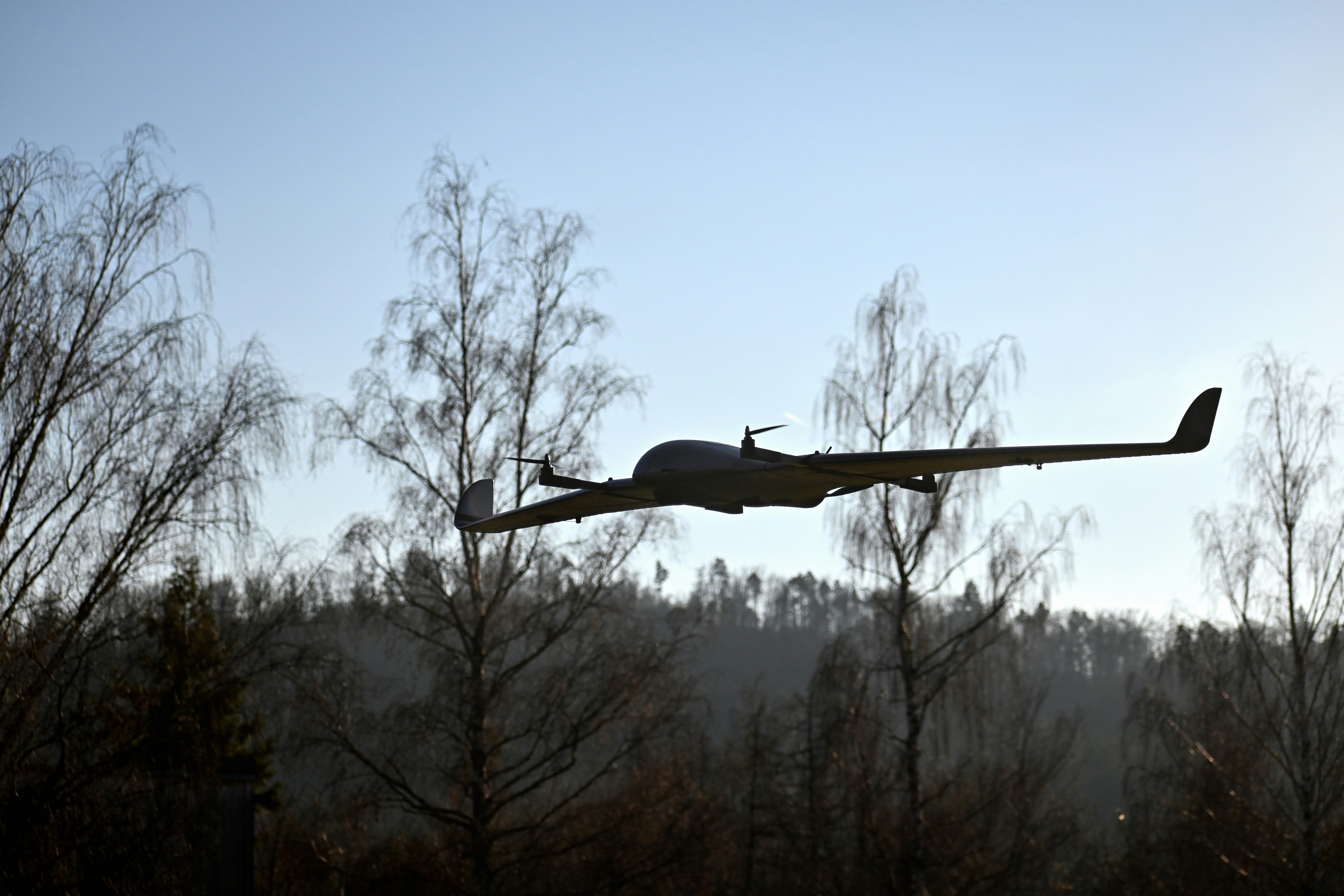







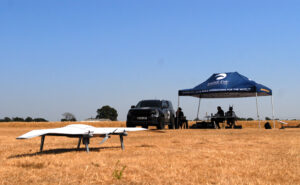
You need to have an RPC-L1 Aeroplane qualification to begin this course, as this will build upon the fundamentals of fixed wing flying to convert you to type on our impressive DeltaQuad Evo RPAS. What’s more, you will also learn how to use the exceptional Auterion Mission Planner, which is the brains of the operation when using DeltaQuad. This is a VLOS course only, although we have the ability to further expand on this into the BVLOS environment, provided the correct regulatory approvals are established. Experience this cutting-edge VTOL RPAS now and let us show you how it can further benefit your operations.
Our new 1-day Observers course is designed to expand your RPAS crewing capabilities and de-risk more complex operations through the provision of professionally qualified RPAS safety observers. Utilising proven aviation standards and procedures, our professional and
experienced instructors will guide you through the fundamentals of Crew Resource Management, crew communications, RPAS control and coordination and give you the practical experience you need to maximise the benefits of your RPAS for VLOS operations and beyond.
If you hold a valid GVC and want to convert to an RPC-L1 qualification in the same category of UAS, under the CAA you are exempt from conducting the theory elements of the course and may progress directly to the practical elements. Therefore, you simply need to book
onto either our conversion course or the practical days of a full RPC-L1 course (provided there is capacity to fit you in). This will provide you with the minimum of 2-hours flight instruction before you attempt the flight assessment. Proof of GVC validity will be required prior to conducting the training.
This course is designed to qualify you in either Rotorcraft or Aeroplane, noting that you only need to conduct the practical aspects of the course, provided you have successfully passed the full Level 1 course in the other discipline.
(Please note this does not include conversion onto our DeltaQuad platform; that is a bespoke course in its own right).
 Make an enquiry