


Learn about Eagle Eye Innovations and the people at the heart of the organisation.

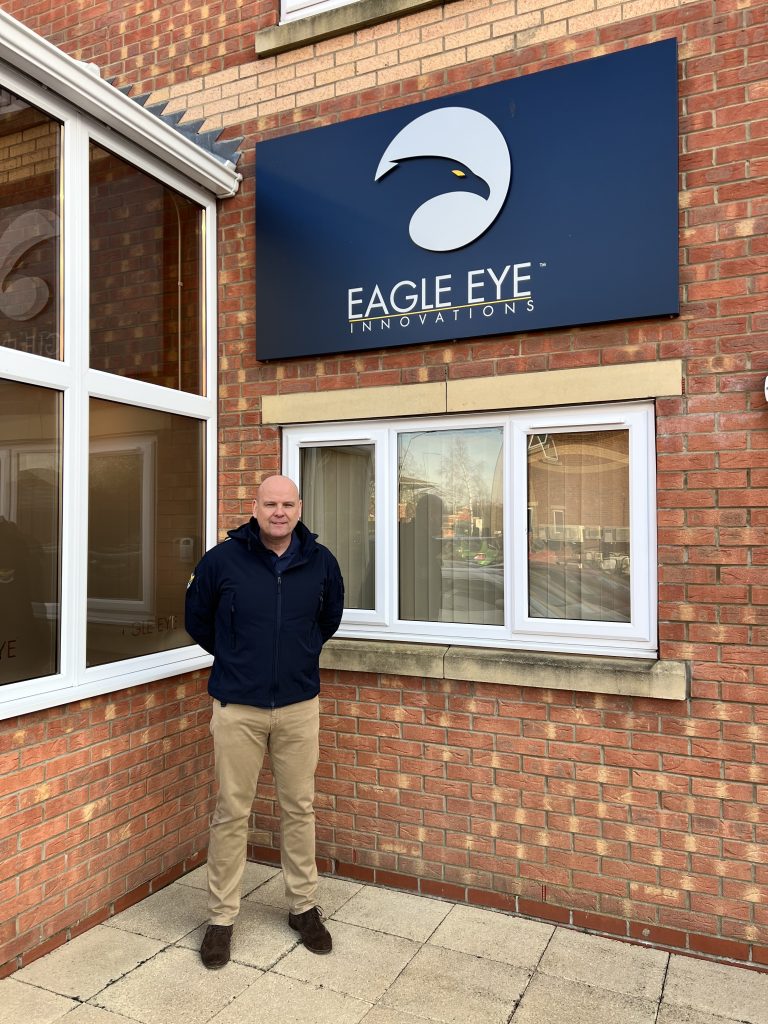
There is an old axiom in businesses that are just getting started that it is characterised by ‘the 4 F’s’, namely Fountains, Fishtanks, Ferraris and Flagpoles. These are the things that are prominent in the business environment whilst the startup in question is working very hard to ‘fake it until it makes it!’
That may be true in Silicon Valley but was not at all representative of my time in a UK Drone Startup, I saw none of those things in the 4 years I was in that environment. What I did witness though is a useful learning exercise that warrants summarising, if only to help future drone startups avoid the same mistakes.
To get started then, I didn’t seek life in a drone startup, it found me. Having done some Operating Safety Case (OSC) consultancy for my soon to be future employer on an early prototype, they then presented me with an appealing opportunity to come on board as an employee at an early point in their evolution. I said yes. I mean, what could possibly go wrong….
Formed around an initial concept and conceived by a balanced mix of technical and entrepreneurial individuals (who will invariably become the C-suite and then move into a founder role), the early phases are frenetic. Everyone does everything by necessity. There is no IT department to submit a problem ticket to, you all have to get in amongst it and hope that the majority of issues can be resolved by a posed question online or asking an industry peer.
As an example, I was responsible for quality and safety but soon picked up an emerging requirement to develop an engineering test function which I had zero experience in. I subsequently led interviews for Test Engineers with a script largely populated with questions I extracted from Google or by a series of evening phone calls to an old friend who had once been an aviation test engineer ….
As a manufacturer of drones, engineers constituted 60-70% of staff and engineering constituted most activity. That said, the engineering within the business could best be described as ‘seat of the pants’, with a cycle that can be described thus: Scratch head until a build process becomes clear, build, bench test, go out and fly, spike it into the ground 4 times in 5, collect what remains and then rinse and repeat….
It was the epitome of fail your way to success but it was working, that much I could see. At the time, it sometimes seemed naively futile but looking back on it from where the business evolved to was like looking back on your schooldays way after you’d left. With an element of wistful nostalgia and a quiet acknowledgment that you actually ‘missed the good ole days’……
Our offices were not really adequate to cater for 20 people, never mind the 35 they actually held so office life was intimate to say the least. Engineering projects were characterised by a short notice funded sprints (around 6-9 months) of R&D against specific technical deliverables, culminating in milestone events for the customer, in this case the UK MOD Defence Science & Technology Laboratory (DSTL). If successful, they would sign off and we would then get the next set of deliverables and go straight back into the cycle. There were no real pauses between cycles though and it all rolled into one…..
We opened a dedicated workshop that, while demonstrating our understanding of the need to expand and make space for future growth, was universally seen by engineers to be too small, even on the day it opened….
And then when we moved into a purpose refurbished office just before Covid which had plenty of space, brand new kitchen and break out area and even a games room. We felt like we were going places but then the fun really started.
– Craig Lippett, Head of Technical Services
News
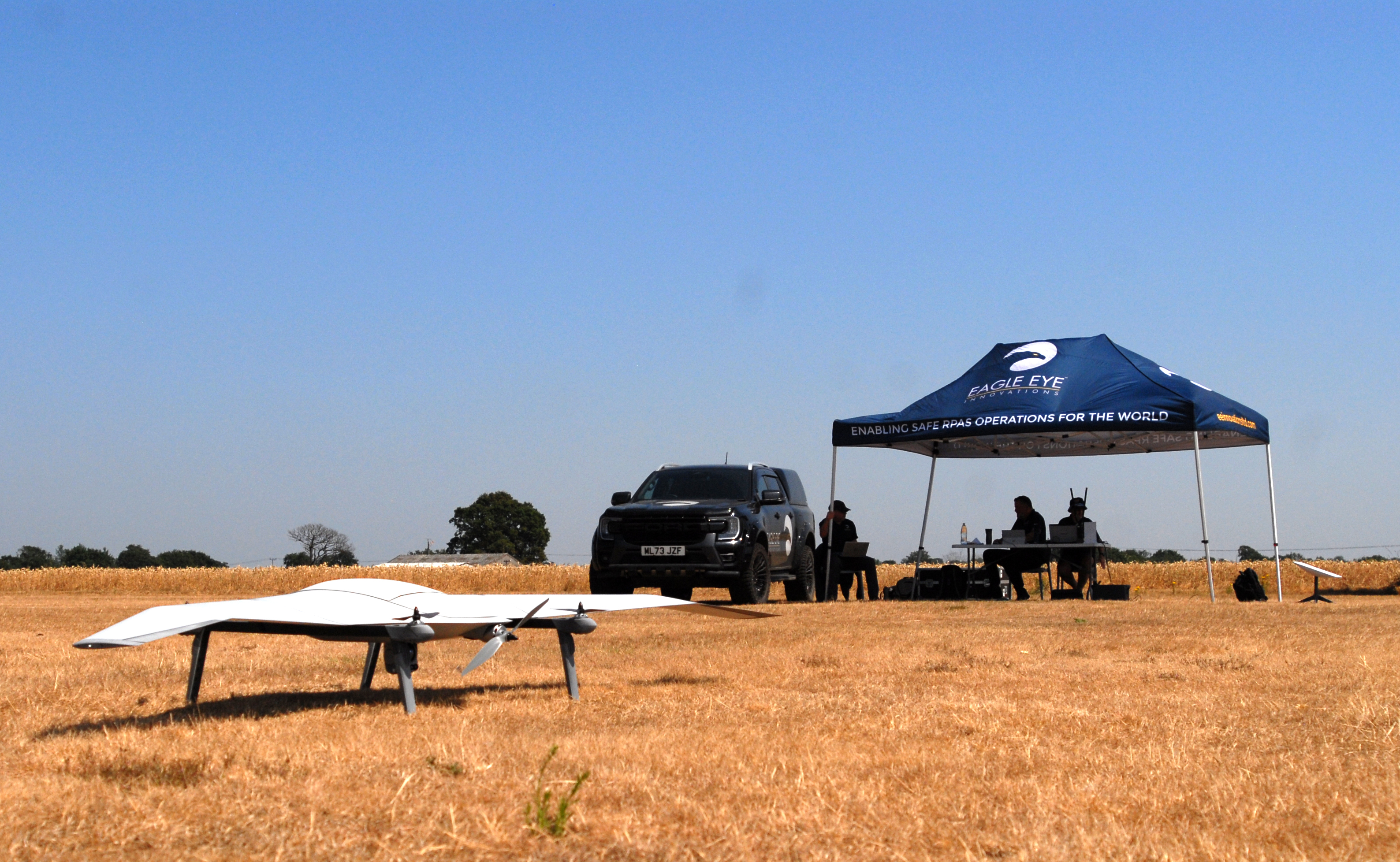
Eagle Eye Innovations (EEI) has been granted an Operational Authorisation by the UK Civil Aviation Authority (CAA), marking a significant milestone in the company’s development of advanced BVLOS operations and its future RPC-L2 training and assurance capability. The authorisation follows... Read more
News
Parliamentary launch highlights role of regional airports in delivering the UK’s future flight ambitions Industry leaders, policymakers and aviation stakeholders gathered in Parliament today to launch a new vision for accelerating the UK’s future flight economy through the creation of... Read more
News
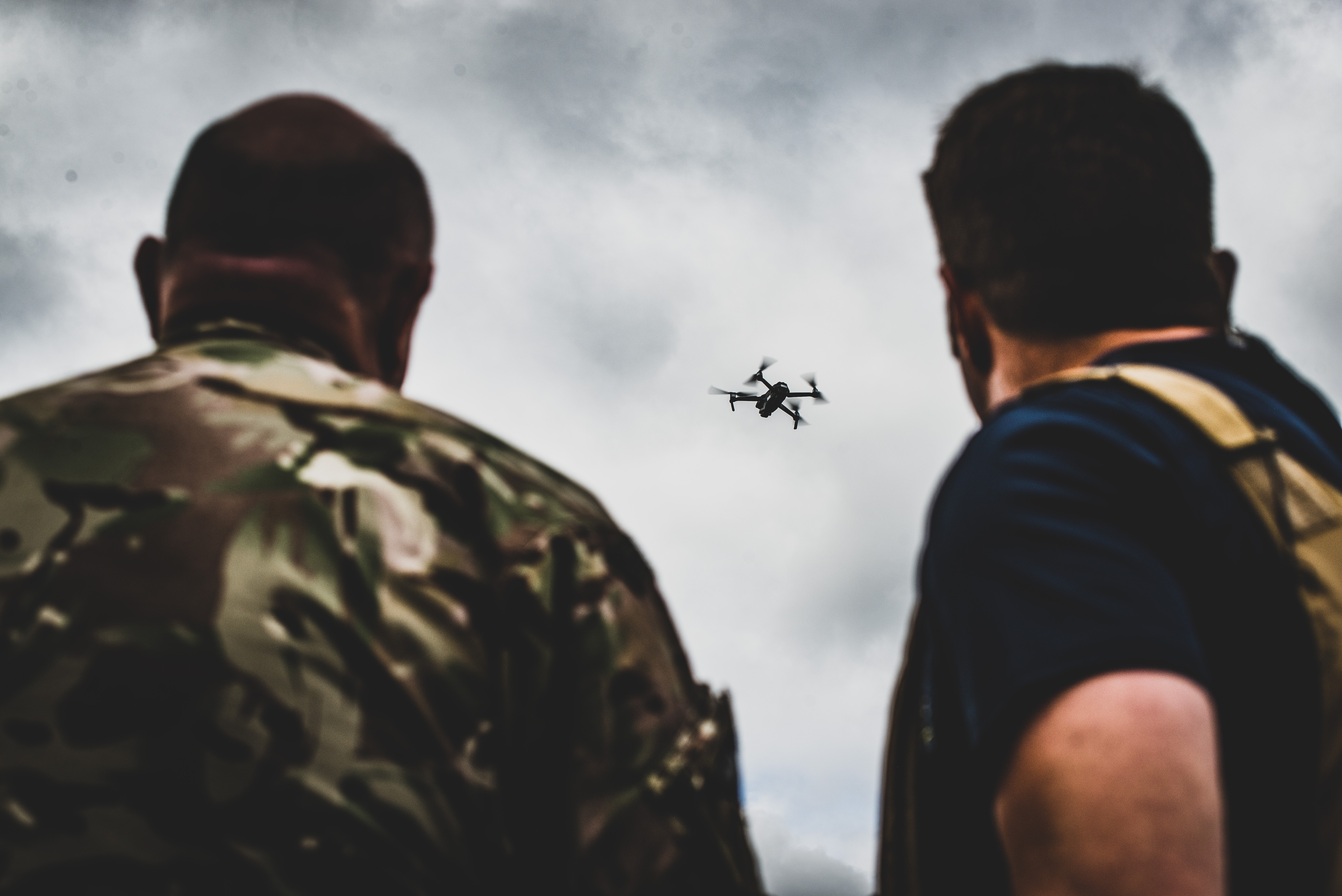
The UK’s £5 billion investment in drones and autonomous systems represents a major shift in defence capability. However, technology alone is not enough. Success depends on skilled personnel, robust operating frameworks, and effective integration into real-world operations. In this article we'll explore how defence organisations can turn drone investment into scalable operational capability, and how Eagle Eye Innovations helps bridge the gap between strategy, training, and deployment to deliver mission-ready outcomes.
News
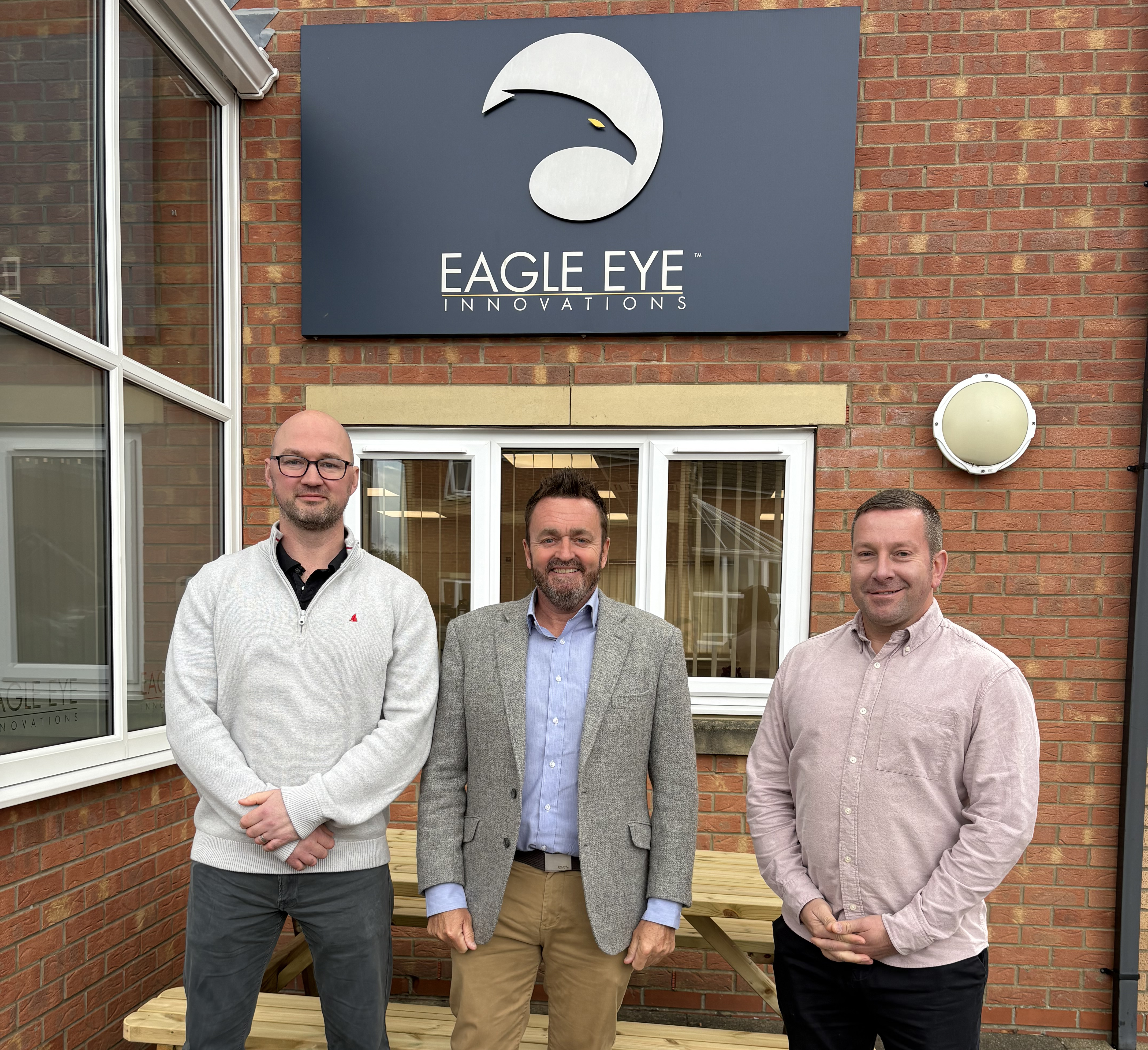
Eagle Eye Innovations partners with Capytech UK to revolutionise drone training through a powerful, scalable LMS for modern aviation professionals.
News
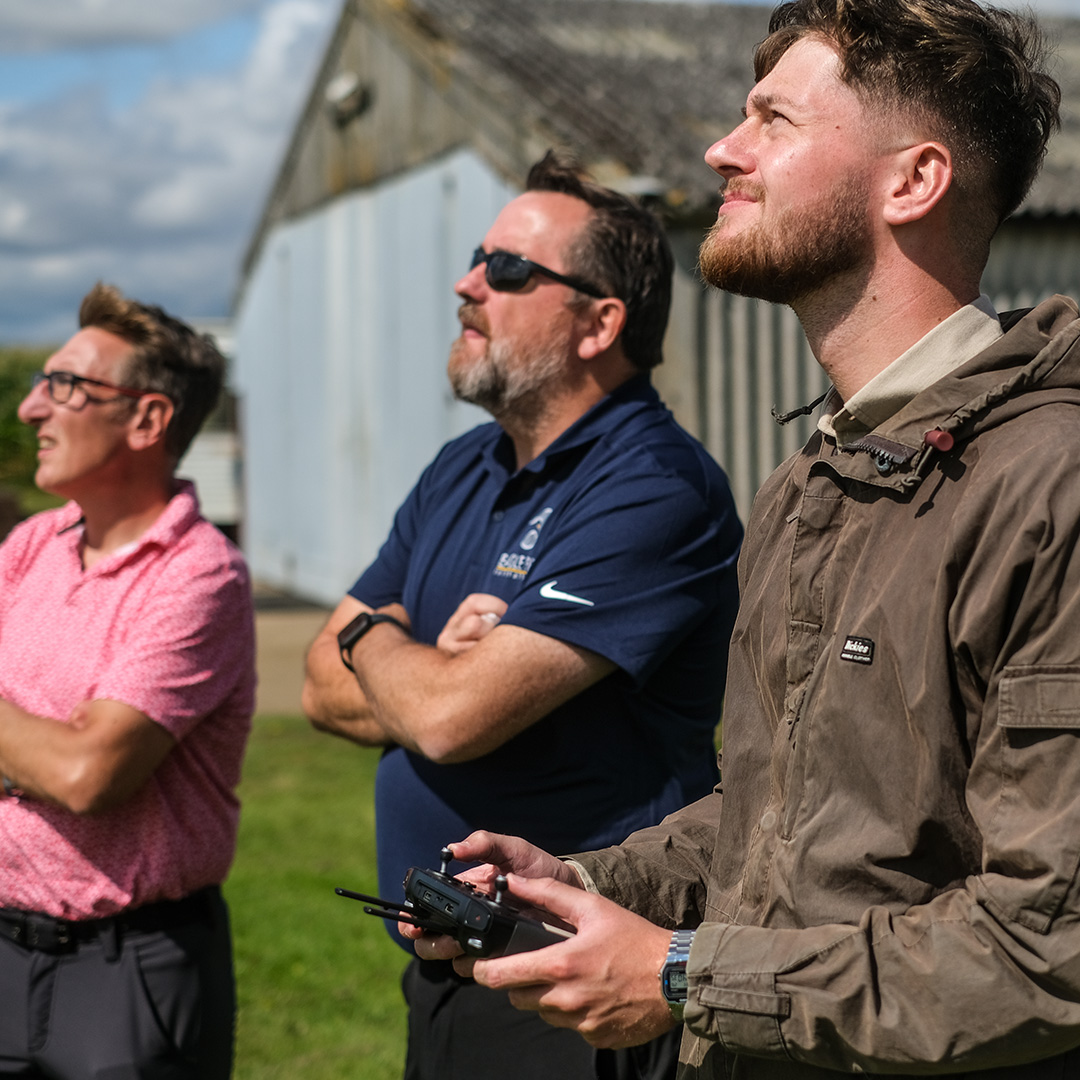
ARPAS‑UK members can access a 10% discount on Eagle Eye Innovations’ RPC-L1 and future RPC-L2 training, offering accredited, professional drone pilot development.
Case Studies
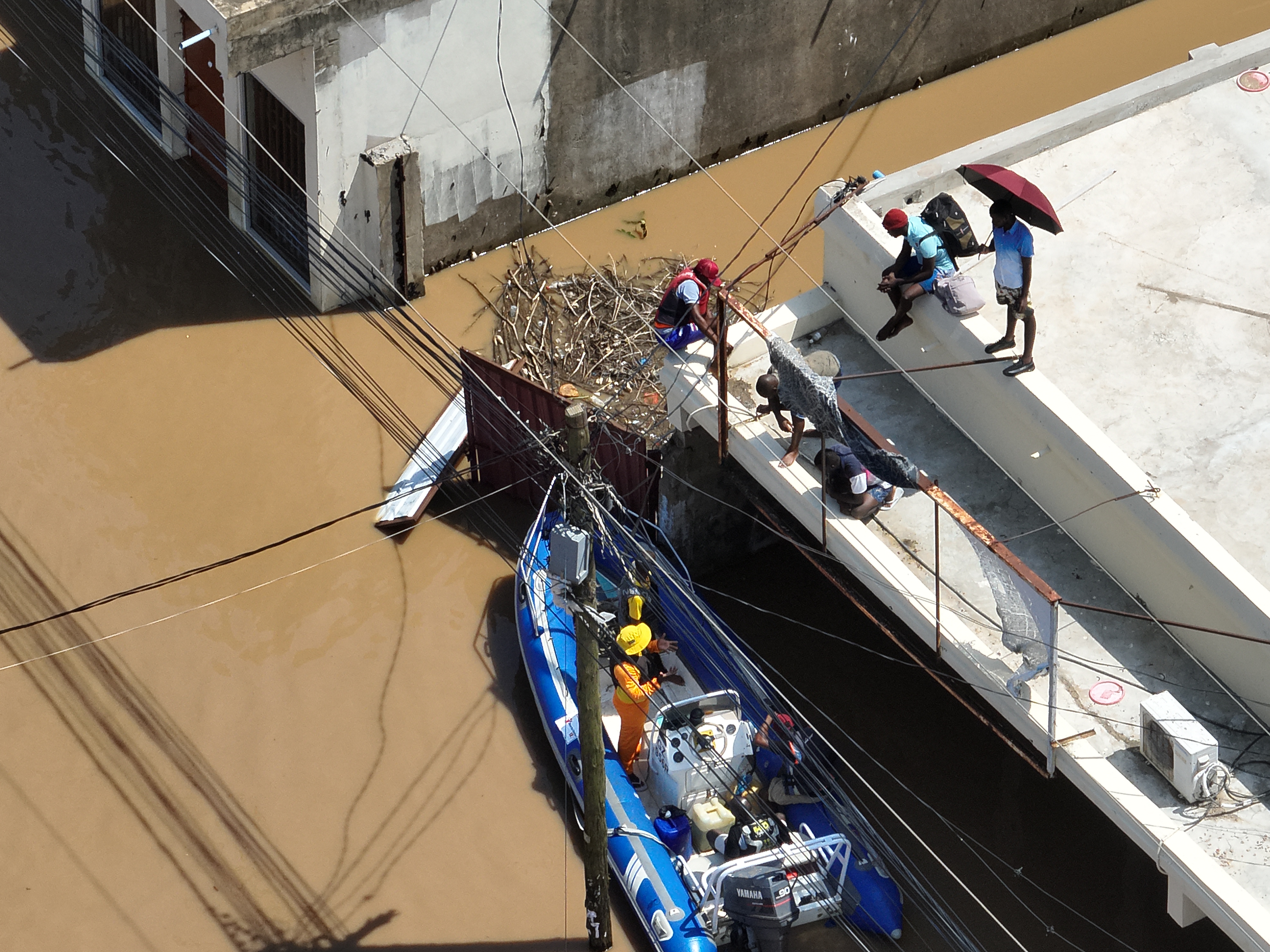
When devastating floods struck Mozambique in January 2026, UK International Search and Rescue (UKISAR) teams were deployed to operate in extreme and inaccessible conditions. Four Kent Fire and Rescue Service Technical Rescue firefighters played a vital role, using drone technology to support life‑saving missions across vast flood plains.







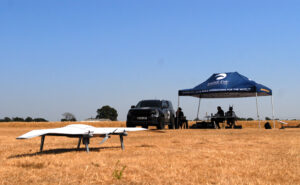
You need to have an RPC-L1 Aeroplane qualification to begin this course, as this will build upon the fundamentals of fixed wing flying to convert you to type on our impressive DeltaQuad Evo RPAS. What’s more, you will also learn how to use the exceptional Auterion Mission Planner, which is the brains of the operation when using DeltaQuad. This is a VLOS course only, although we have the ability to further expand on this into the BVLOS environment, provided the correct regulatory approvals are established. Experience this cutting-edge VTOL RPAS now and let us show you how it can further benefit your operations.
Our new 1-day Observers course is designed to expand your RPAS crewing capabilities and de-risk more complex operations through the provision of professionally qualified RPAS safety observers. Utilising proven aviation standards and procedures, our professional and
experienced instructors will guide you through the fundamentals of Crew Resource Management, crew communications, RPAS control and coordination and give you the practical experience you need to maximise the benefits of your RPAS for VLOS operations and beyond.
If you hold a valid GVC and want to convert to an RPC-L1 qualification in the same category of UAS, under the CAA you are exempt from conducting the theory elements of the course and may progress directly to the practical elements. Therefore, you simply need to book
onto either our conversion course or the practical days of a full RPC-L1 course (provided there is capacity to fit you in). This will provide you with the minimum of 2-hours flight instruction before you attempt the flight assessment. Proof of GVC validity will be required prior to conducting the training.
This course is designed to qualify you in either Rotorcraft or Aeroplane, noting that you only need to conduct the practical aspects of the course, provided you have successfully passed the full Level 1 course in the other discipline.
(Please note this does not include conversion onto our DeltaQuad platform; that is a bespoke course in its own right).
 Make an enquiry