


Learn about Eagle Eye Innovations and the people at the heart of the organisation.

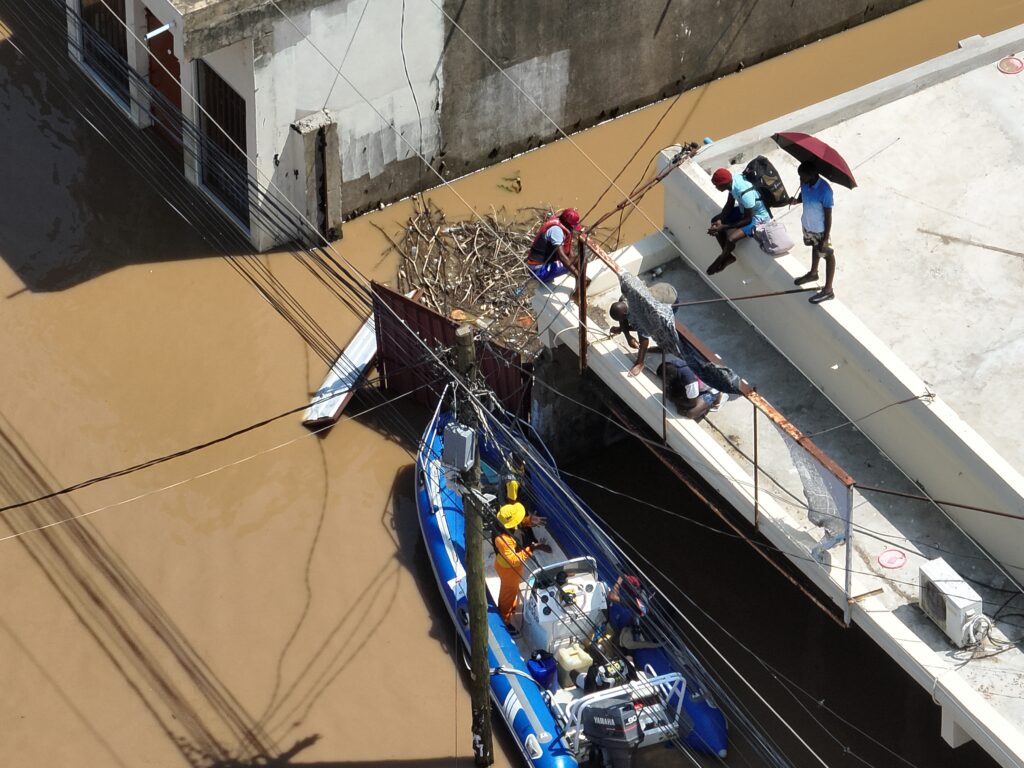
Four Kent Fire and Rescue Service (KFRS) firefighters from the Technical Rescue Team —Jim Chaston, Stephen Holmes, Stacey Irvine and Andrew Parks—were deployed as part of the UK International Search and Rescue Teams (UKISAR) response to Mozambique in January 2026. Together, they made up three of the four drone‑trained personnel within the team.
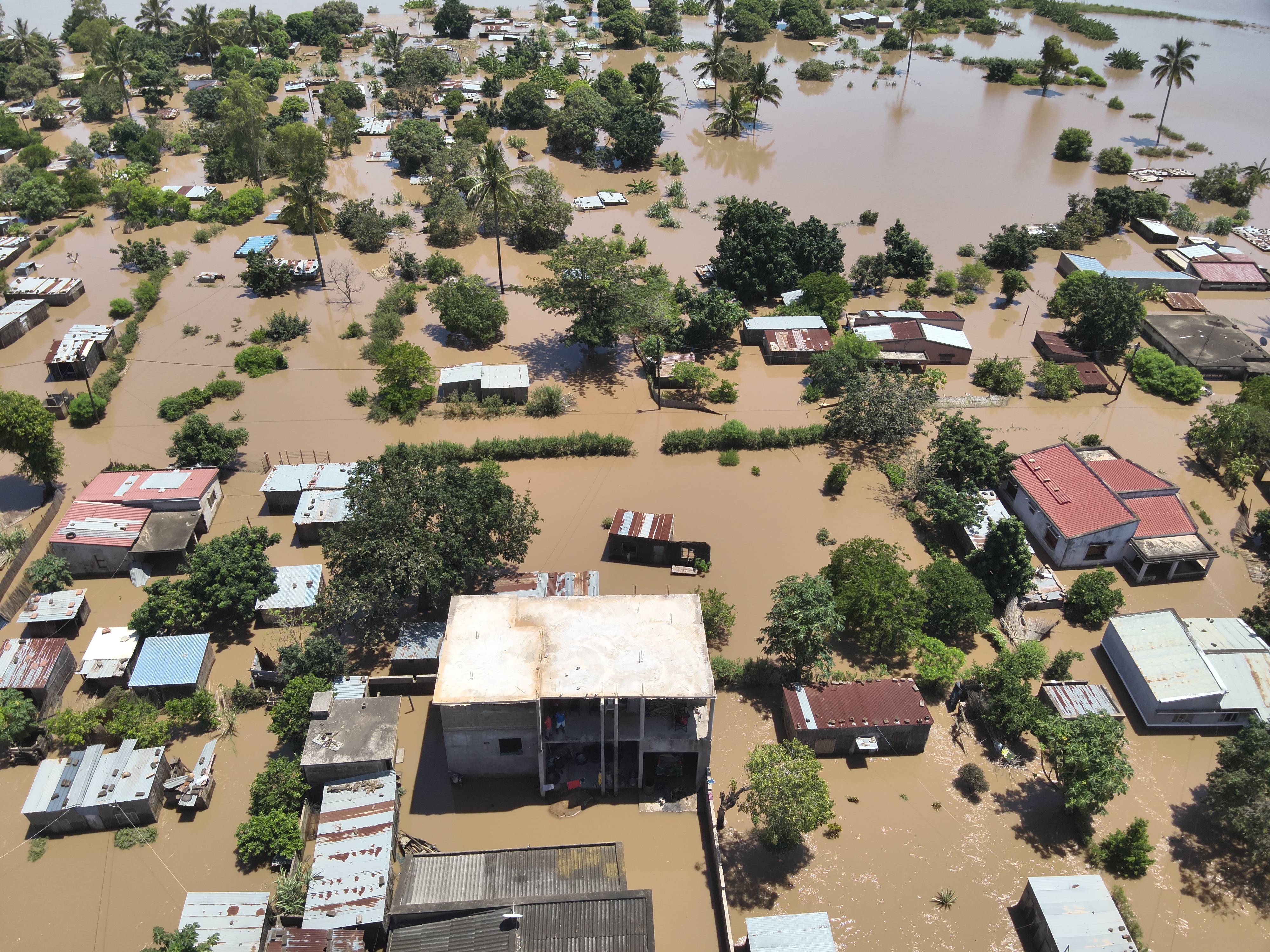
Stephen, having completed his initial drone pilot training just six weeks earlier, was deployed to Mozambique where devastating floods had displaced communities and left vast areas inaccessible to ground crews. UKISAR is the official UK Government response to international disasters, funded and supported by the Foreign, Commonwealth and Development Office (FCDO). The team comprises specialist responders from 14 UK fire and rescue services.
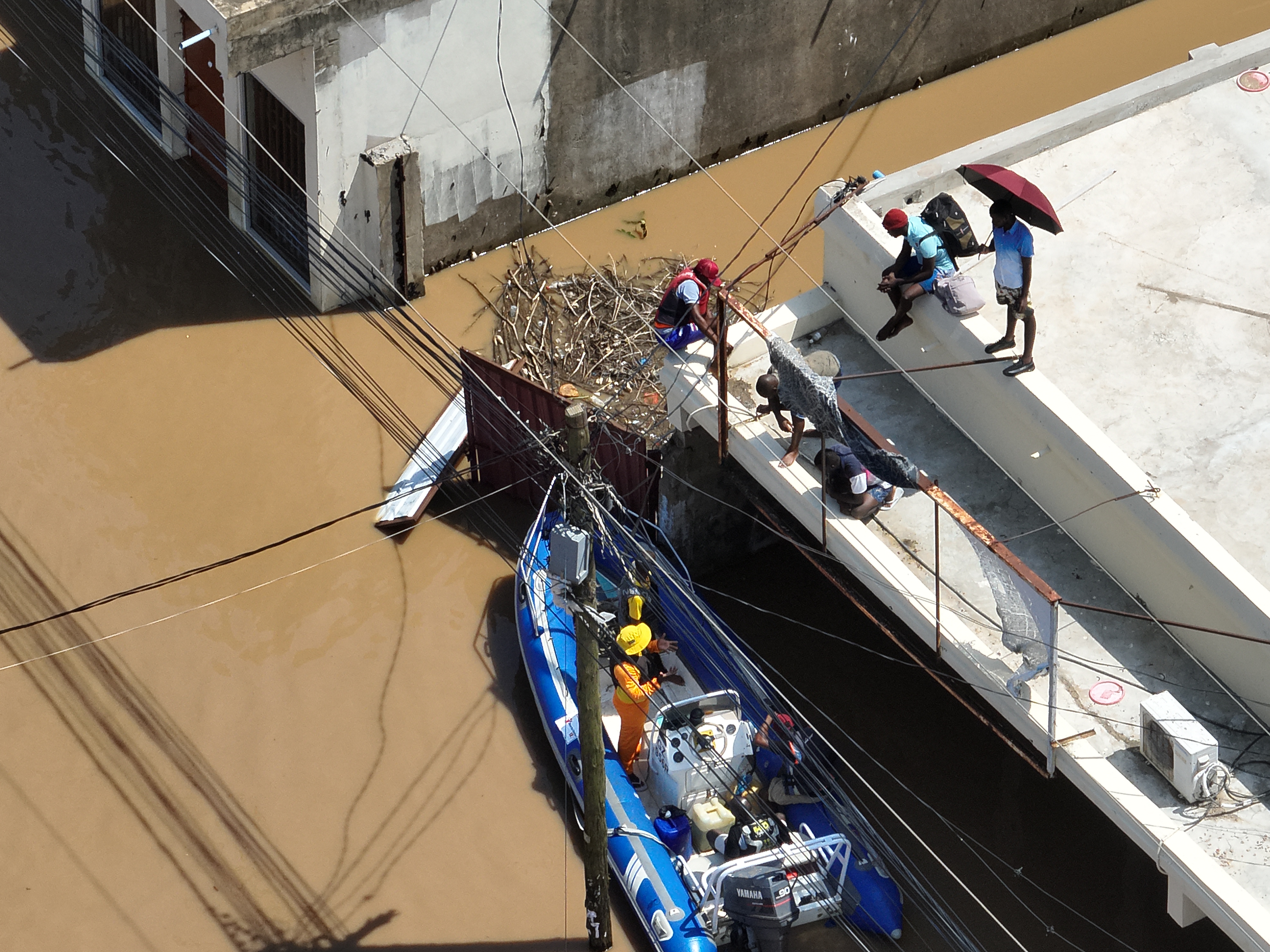
On the first day of rescue operations, Stephen was tasked with flying the team’s drone during a critical ten‑hour rescue mission stretching over more than 20 miles. Two rescue boats were returning to the launch site with several people on board who had been rescued from the floodwater, and with light fading and areas of shallow water hindering progress, it was decided a drone would be launched to aid safe navigation through the flood plain.
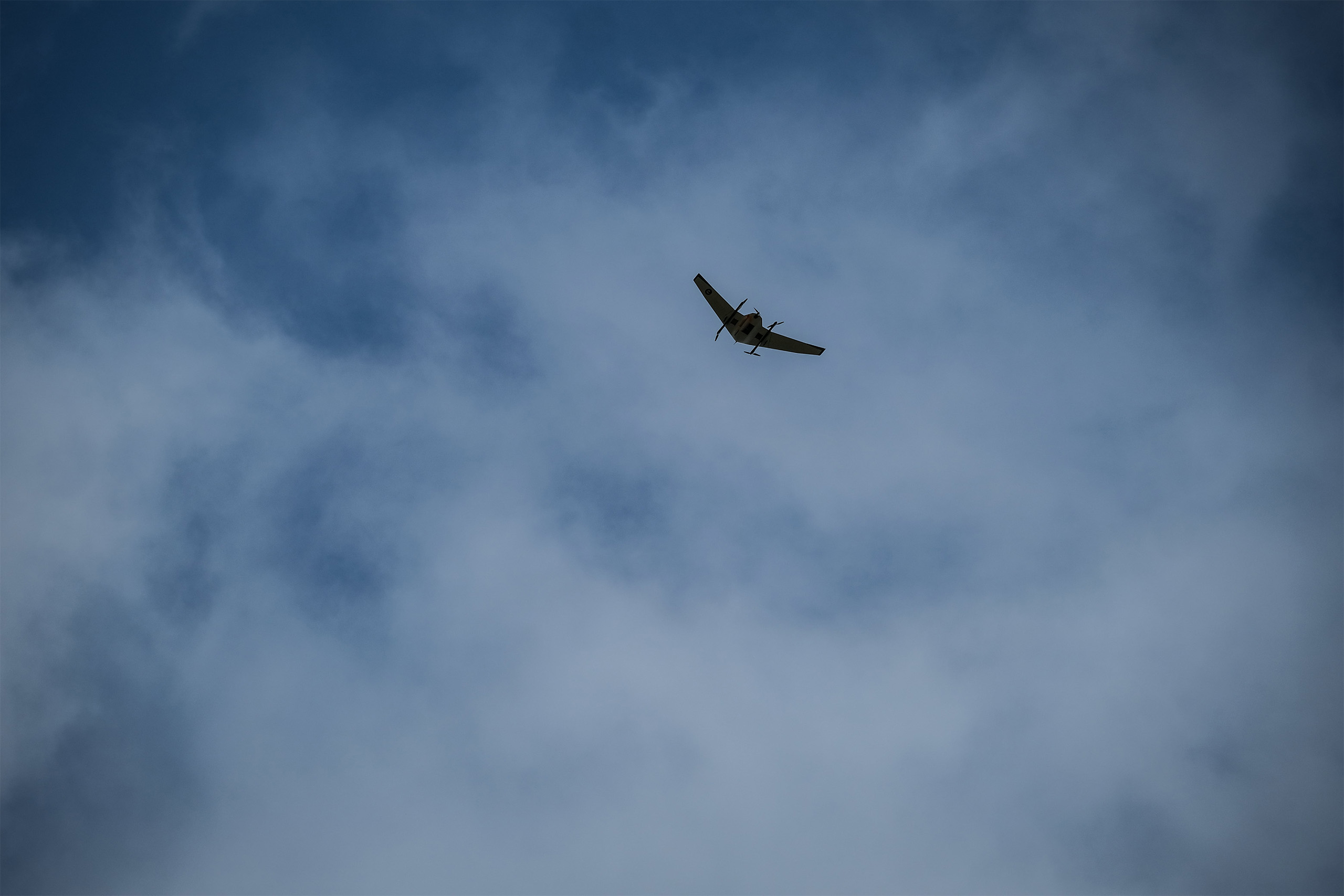
Stephen launched the drone and flew it beyond visual line of sight (BVLoS) across difficult floodwater to locate the boat teams, assess their surroundings, and support the coordination of a safe extraction. The drone’s aerial perspective enabled rescuers to identify viable routes and guide the rescued locals to safety.
Despite being only weeks into his drone‑pilot journey, Stephen’s first international mission demonstrated both the value of drone operations and how quickly newly trained pilots can make a meaningful impact in disaster zones. “It was an absolute honour to work with such a professional and high-performing team,” Stephen said, “and to use my newly gained skills to help achieve a successful deployment and assist as many people as possible.”
Throughout the deployment, the drone was also used to locate stranded casualties, coordinate rescue operations, assess damaged infrastructure, and identify safe access points—highlighting the increasingly crucial role drone operations play in modern technical rescue.




Do you have a question? We are here to help. Submit your details below and we'll call you back. (Mon-Fri 9am - 5.30pm)
You need to have an RPC-L1 Aeroplane qualification to begin this course, as this will build upon the fundamentals of fixed wing flying to convert you to type on our impressive DeltaQuad Evo RPAS. What’s more, you will also learn how to use the exceptional Auterion Mission Planner, which is the brains of the operation when using DeltaQuad. This is a VLOS course only, although we have the ability to further expand on this into the BVLOS environment, provided the correct regulatory approvals are established. Experience this cutting-edge VTOL RPAS now and let us show you how it can further benefit your operations.
Our new 1-day Observers course is designed to expand your RPAS crewing capabilities and de-risk more complex operations through the provision of professionally qualified RPAS safety observers. Utilising proven aviation standards and procedures, our professional and
experienced instructors will guide you through the fundamentals of Crew Resource Management, crew communications, RPAS control and coordination and give you the practical experience you need to maximise the benefits of your RPAS for VLOS operations and beyond.
If you hold a valid GVC and want to convert to an RPC-L1 qualification in the same category of UAS, under the CAA you are exempt from conducting the theory elements of the course and may progress directly to the practical elements. Therefore, you simply need to book
onto either our conversion course or the practical days of a full RPC-L1 course (provided there is capacity to fit you in). This will provide you with the minimum of 2-hours flight instruction before you attempt the flight assessment. Proof of GVC validity will be required prior to conducting the training.
This course is designed to qualify you in either Rotorcraft or Aeroplane, noting that you only need to conduct the practical aspects of the course, provided you have successfully passed the full Level 1 course in the other discipline.
(Please note this does not include conversion onto our DeltaQuad platform; that is a bespoke course in its own right).
 Make an enquiry