


Learn about Eagle Eye Innovations and the people at the heart of the organisation.


Drones have rapidly evolved into essential tools across multiple industries, from agriculture to infrastructure inspection. Two of the most widely used categories are fixed-wing VTOL (Vertical Take-Off and Landing) drones and rotorcraft drones (such as quadcopters and multi-rotors). Whilst both serve similar overarching purposes; data capture, monitoring, and automation, their design philosophies and operational capabilities differ significantly.
Understanding these differences is key to choosing the right platform for specific use cases.
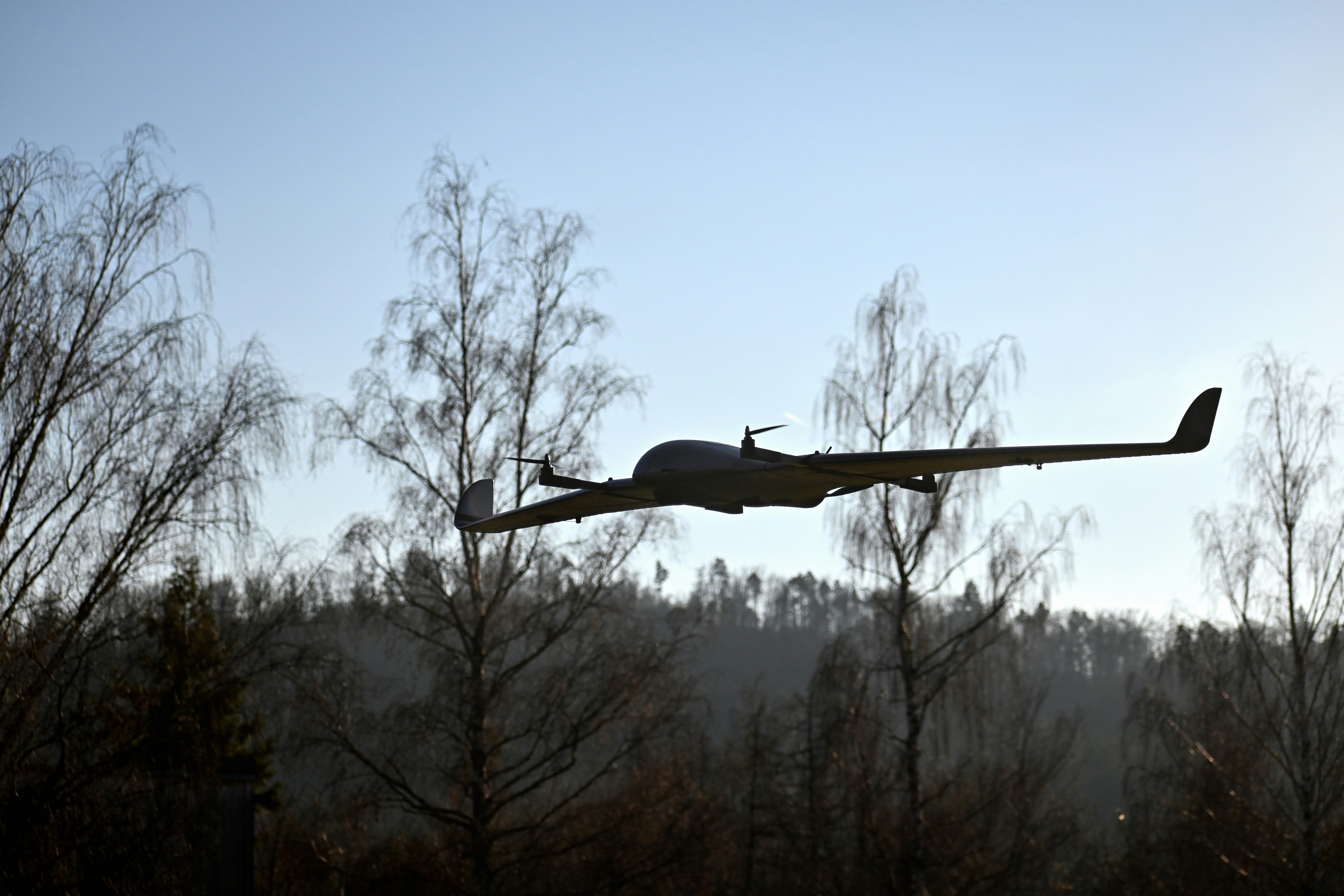
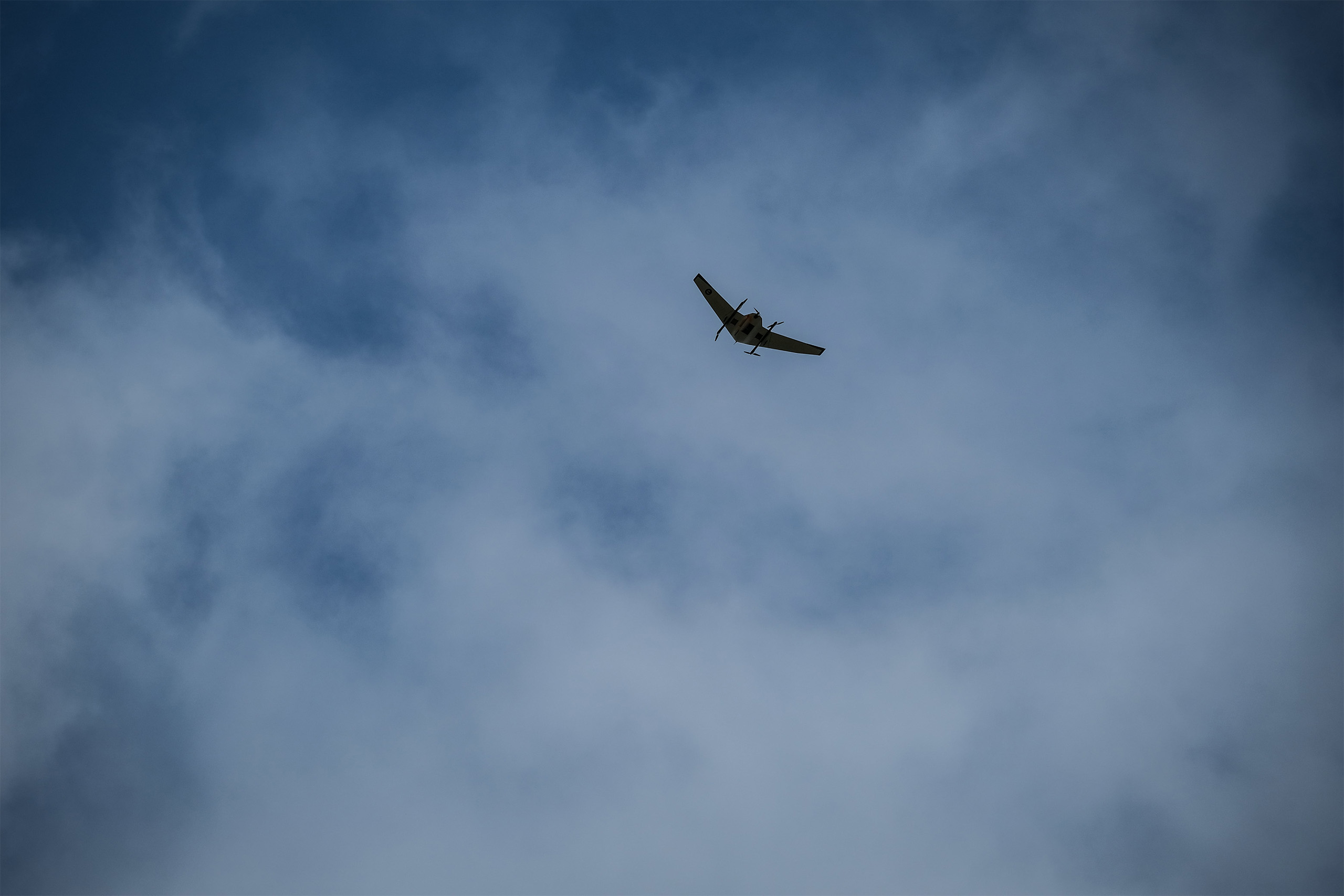
Fixed-wing VTOL drones combine the characteristics of traditional aeroplanes with vertical take-off and landing capabilities. Unlike conventional fixed-wing aircraft that require a runway, VTOL models can lift off vertically using rotors and then transition into forward flight using aerodynamic lift generated by wings.
This hybrid design allows them to cover long distances efficiently while retaining flexibility in deployment. During forward flight, the wings provide lift, reducing reliance on motors and improving energy efficiency. As a result, fixed-wing VTOL drones can achieve longer flight times and larger area coverage compared to most rotorcraft systems.
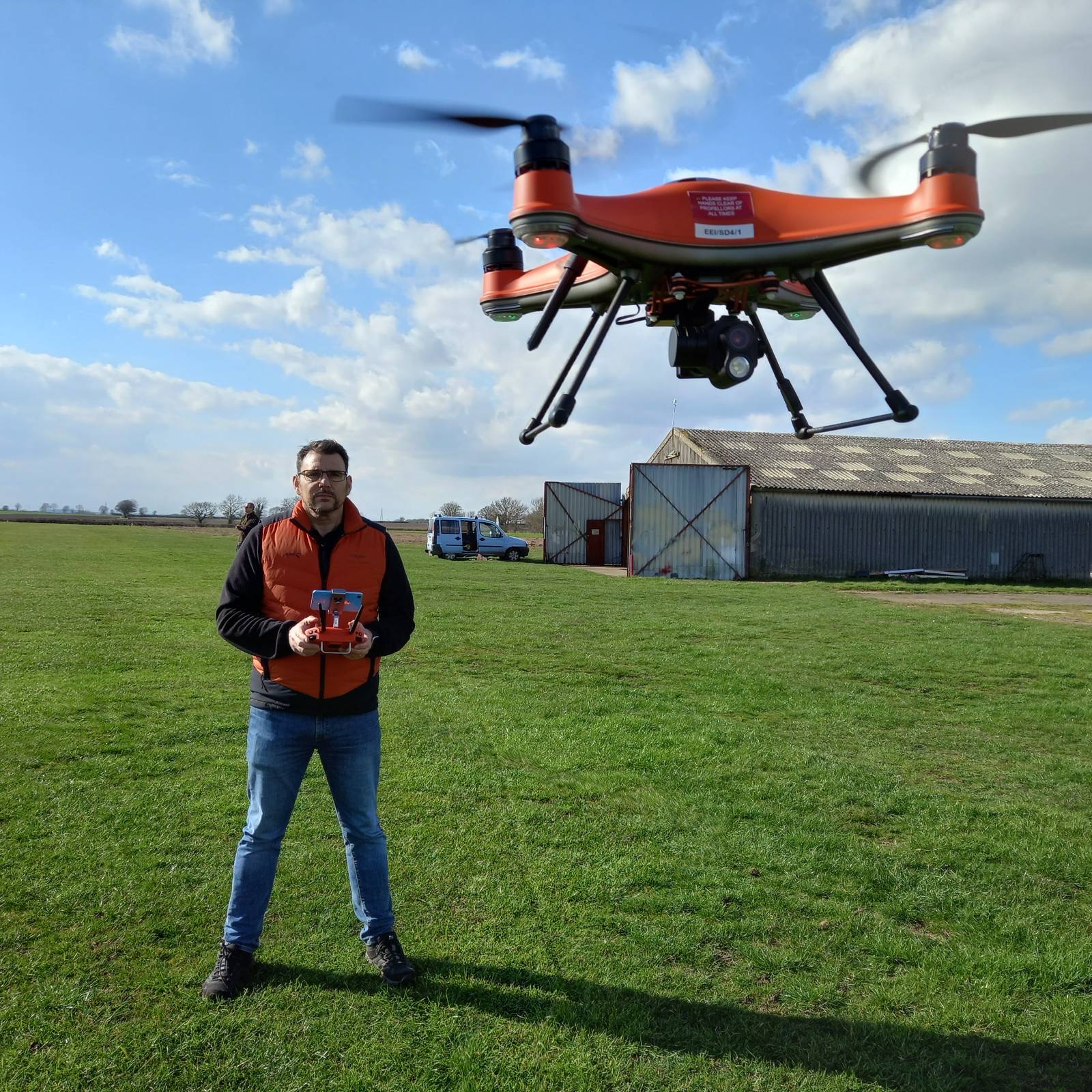
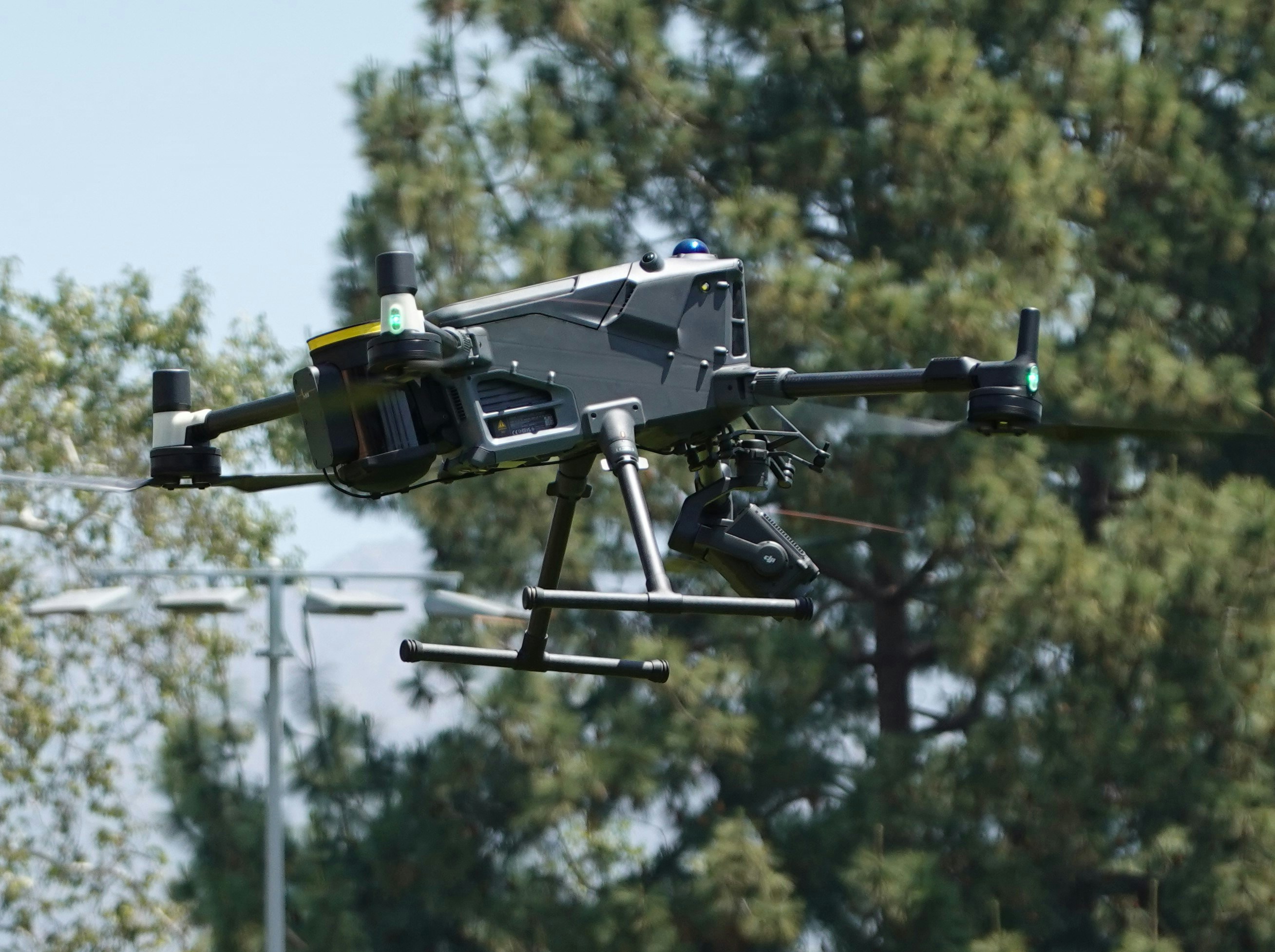
Rotorcraft drones, commonly known as multi-rotors (including quadcopters, hexacopters, and octocopters), rely entirely on spinning propellers to generate lift. They can hover, ascend, descend, and manoeuvre in tight spaces with exceptional precision.
Because they do not require forward motion to stay airborne, rotorcraft drones excel at stationary flight and close-range operations. Their intuitive control and stability make them the most used drones in commercial and recreational markets.
One of the most significant differences between rotorcraft and fixed-wing VTOL lies in energy efficiency; fixed-wing VTOL drones are far more efficient during cruise flight because lift is generated aerodynamically, like a traditional aircraft, rather than through constant motor thrust like a helicopter. This translates into longer flight times, often several hours, and the ability to cover tens or even hundreds of kilometres in a single mission.
By contrast, rotorcraft drones consume energy continuously just to stay airborne. This limits their endurance, typically ranging from 20 to 60 minutes for small systems, some larger systems can reach low single figure hours depending on payload and configuration, however, battery technology and size become prohibitive beyond this.
The next step is traditional propulsion to increase endurance which comes with cost and weight penalties when compared to electric fixed-wing platforms.
Rotorcraft drones offer unmatched flexibility in confined environments. Their ability to hover and move in any direction makes them ideal for complex operational environments, such as urban areas, indoor inspections or confined spaces
Fixed-wing VTOL drones, while capable of vertical take-off and landing, require more space for transition between vertical and horizontal flight. They are less suited to tight, cluttered environments but excel in open areas.
Rotorcraft drones can carry a wide variety of payloads, including cameras, Light Detection and Ranging (LiDAR) systems, and thermal sensors. Their hovering capability provides stable platforms for detailed inspections and data capture.
Fixed-wing VTOL drones can also carry advanced payloads, such as the sensor systems listed above, but their strength lies in efficiently transporting these over large distances rather than prolonged stationary observation. While they can slow down or loiter, they cannot hover like rotorcraft systems, requiring exceptional piloting skills to maintain precise, stable loitering patterns.
Rotorcraft drones are generally easier to operate, making them ideal for beginners and quick deployments. Minimal planning is required, and operators can launch them almost anywhere.
Fixed-wing VTOL drones, although more flexible than traditional fixed-wing aircraft, still require more mission planning, airspace awareness, and operational expertise. Their complexity requires more demanding training and competency to become proficient.
Fixed-wing VTOL drones are ideal for mapping large areas such as agricultural land, mining sites, and infrastructure corridors. Their extended endurance allows them to capture high-resolution data over vast regions in a single flight, reducing time and operational costs.
From wildlife tracking to coastal monitoring, these drones are perfect for applications requiring wide-area coverage and minimal human intervention.
Linear infrastructure inspections benefit from long-range capabilities. Fixed-wing VTOL drones can follow pipelines, railways, or powerlines for dozens of kilometres without interruption.
In search and rescue missions covering expansive terrain, these drones provide rapid situational awareness, helping teams locate missing persons more efficiently.
Rotorcraft drones are widely used for inspecting bridges, buildings, wind turbines, and telecommunications towers. Their ability to hover allows for close-up, highly detailed inspections, especially when combined with sensor systems such as LiDAR.
The stability and manoeuvrability of rotorcraft drones make them the preferred choice for cinematography, marketing, and real estate imaging.
While fixed-wing VTOL drones handle large-area mapping, rotorcraft drones are often used for targeted crop spraying, monitoring, and plant-level analysis.
In disaster zones or dense urban settings, rotorcraft drones provide quick deployment and real-time aerial views, assisting first responders in decision-making.
The decision between fixed-wing VTOL and rotorcraft drones ultimately depends on the mission requirements:
Choose fixed-wing VTOL if you need:
Choose rotorcraft drones if you need:
The real value and benefits of these platforms emerge when organisations avoid framing the selection criteria as a binary “this-or-that” competition. Rotorcraft enable the organisation to deliver immediate and localised high precision mission taskings. By contrast fixed-wing VTOL supports the requirement for endurance-based missions supporting strategic oversight.
Both fixed-wing VTOL and rotorcraft drones play vital roles in modern drone operations. Rather than competing technologies, they are complementary tools, each suited to specific tasks. As drone technology continues to evolve, organisations that understand these differences can make smarter investments, improve operational efficiency, and unlock new opportunities across industries.
When operated together they provide a layered aerial capability, one that scales from a single building or point of interest to an entire postcode and beyond in minutes rather than hours. As regulations mature and BVLOS (Beyond Visual Line of Sight) operations become more routine, fixed wing VTOL platforms will increasingly complement, rather than replace multirotor drone fleets.
We see the most effective drone programmes starting with project requirements rather than airframes as part of a capability rather than platform led discussion.
The future of drone operations isn’t about choosing a side, it’s about choosing the right tool, at the right time for the right outcome.
Here at Eagle Eye Innovations, we pride ourselves on being platform agnostic. Not being tied to a single manufacturer means we’re best placed to offer advice and training on the right platform for your workstream.
Not sure which platform fits your workflow? Get in touch with our team today to find out more.



The use of robotics, autonomy and remotely operated systems, quite often referred to as ‘Drones’, has been experimented with extensively within Defence over the last decade across the primary domains of Land, Sea and Air. This developmental work is accomplished through Single Service (Royal Navy, Army and Royal Air Force) initiatives and frameworks depending on the use case and supported by Industry. Recent global events have shown the importance of command, control, communications and network architecture as the backbone of this capability. The challenge now is how we connect and integrate across the Domains and individual Services to reduce the Sensor-Decider-Effector chain to increase effectiveness, decrease the burden on decision making and increase survivability for our War Fighters.
Multi-domain Integrated Systems (MDIS) is a 4-year capability investigation, within the MOD’s Future Capability Innovation (FCI), designed to produce evidence on the potential value of Multi-Domain Integrated Robotic and Autonomous Systems (MDI RAS).
Project ACHERON is delivered by the MDIS team and is the culmination of the 4-year MDIS investigation. It will involve branches of the Royal Navy, Army and Royal Air Force, alongside other key stakeholders within the Defence industry. Existing cutting-edge capability within the Defence inventory will be integrated along with new emergent technology and resources provided by DE&S, United Kingdom Space Command, Equinox, SNC-MS UK, TP Group, Nexor, Anduril, Archangel, Babcock, Elbit Systems UK, Helsing, Jacobs and DSTL.
Sierra Nevada Corporation Mission Systems UK are partnered with Eagle Eye Innovations Ltd to provide a Project Planning, Integration and Delivery Service as well as a communications enabling capability to safely refine the planning, coordination and execution of Project ACHERON.
In July, Project ACHERON will cohere Single Service activities across three disparately remote UK Military training areas to integrate existing cutting edge military capability with new emergent technology. These will be enabled by a representative Multi-Domain networked environment to demonstrate Robotic and Autonomous Systems (RAS) from each military sector connected to a wider single network. This will allow the RAS to communicate from different bases across the country in a way that has not yet been explored to provide a ‘game changing’ capability demonstration for Defence.
The exercise will aim to show how this Multi-Domain integrated network can be used in a real-world, conflict environment and revolves around four main goals.
The MDIS framework and Project ACHERON could change the way that the UK Military operates, and revolutionise and streamline the use of drones in conflict environments.






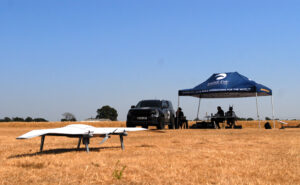
You need to have an RPC-L1 Aeroplane qualification to begin this course, as this will build upon the fundamentals of fixed wing flying to convert you to type on our impressive DeltaQuad Evo RPAS. What’s more, you will also learn how to use the exceptional Auterion Mission Planner, which is the brains of the operation when using DeltaQuad. This is a VLOS course only, although we have the ability to further expand on this into the BVLOS environment, provided the correct regulatory approvals are established. Experience this cutting-edge VTOL RPAS now and let us show you how it can further benefit your operations.
Our new 1-day Observers course is designed to expand your RPAS crewing capabilities and de-risk more complex operations through the provision of professionally qualified RPAS safety observers. Utilising proven aviation standards and procedures, our professional and
experienced instructors will guide you through the fundamentals of Crew Resource Management, crew communications, RPAS control and coordination and give you the practical experience you need to maximise the benefits of your RPAS for VLOS operations and beyond.
If you hold a valid GVC and want to convert to an RPC-L1 qualification in the same category of UAS, under the CAA you are exempt from conducting the theory elements of the course and may progress directly to the practical elements. Therefore, you simply need to book
onto either our conversion course or the practical days of a full RPC-L1 course (provided there is capacity to fit you in). This will provide you with the minimum of 2-hours flight instruction before you attempt the flight assessment. Proof of GVC validity will be required prior to conducting the training.
This course is designed to qualify you in either Rotorcraft or Aeroplane, noting that you only need to conduct the practical aspects of the course, provided you have successfully passed the full Level 1 course in the other discipline.
(Please note this does not include conversion onto our DeltaQuad platform; that is a bespoke course in its own right).
 Make an enquiry