


Learn about Eagle Eye Innovations and the people at the heart of the organisation.


Latest news:
Parliamentary launch highlights role of regional airports in delivering the UK’s future flight ambitions Industry leaders, policymakers and aviation stakeholders gathered in Parliament today to launch a new vision for accelerating the UK’s future flight economy through the creation of... Read more

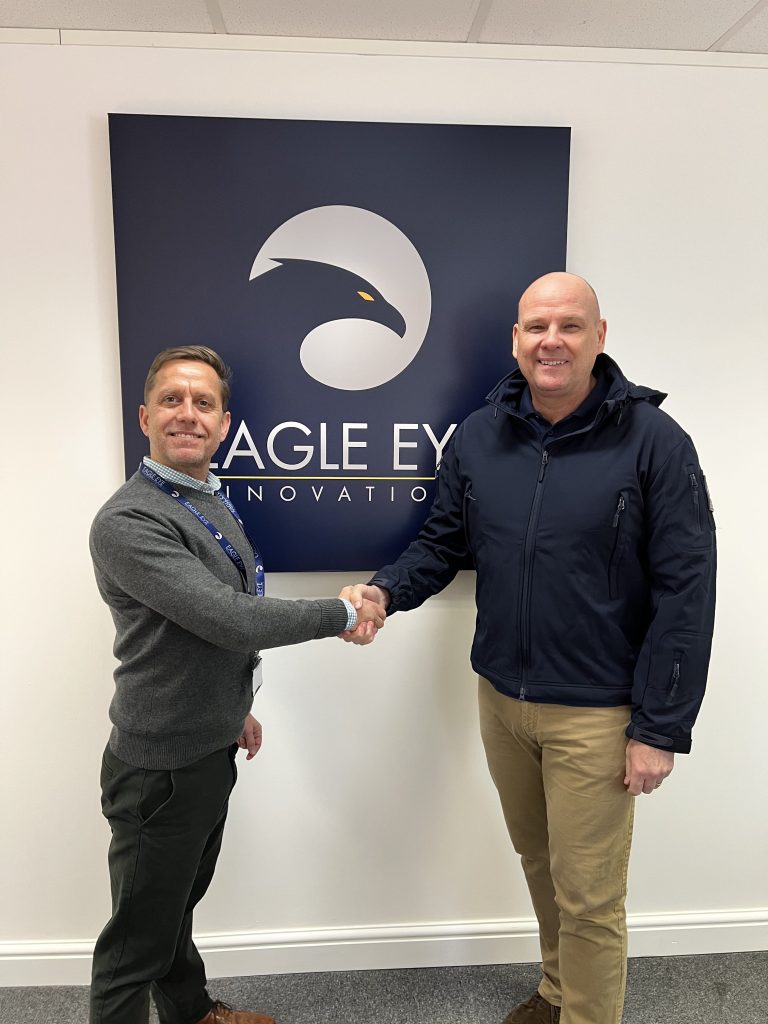
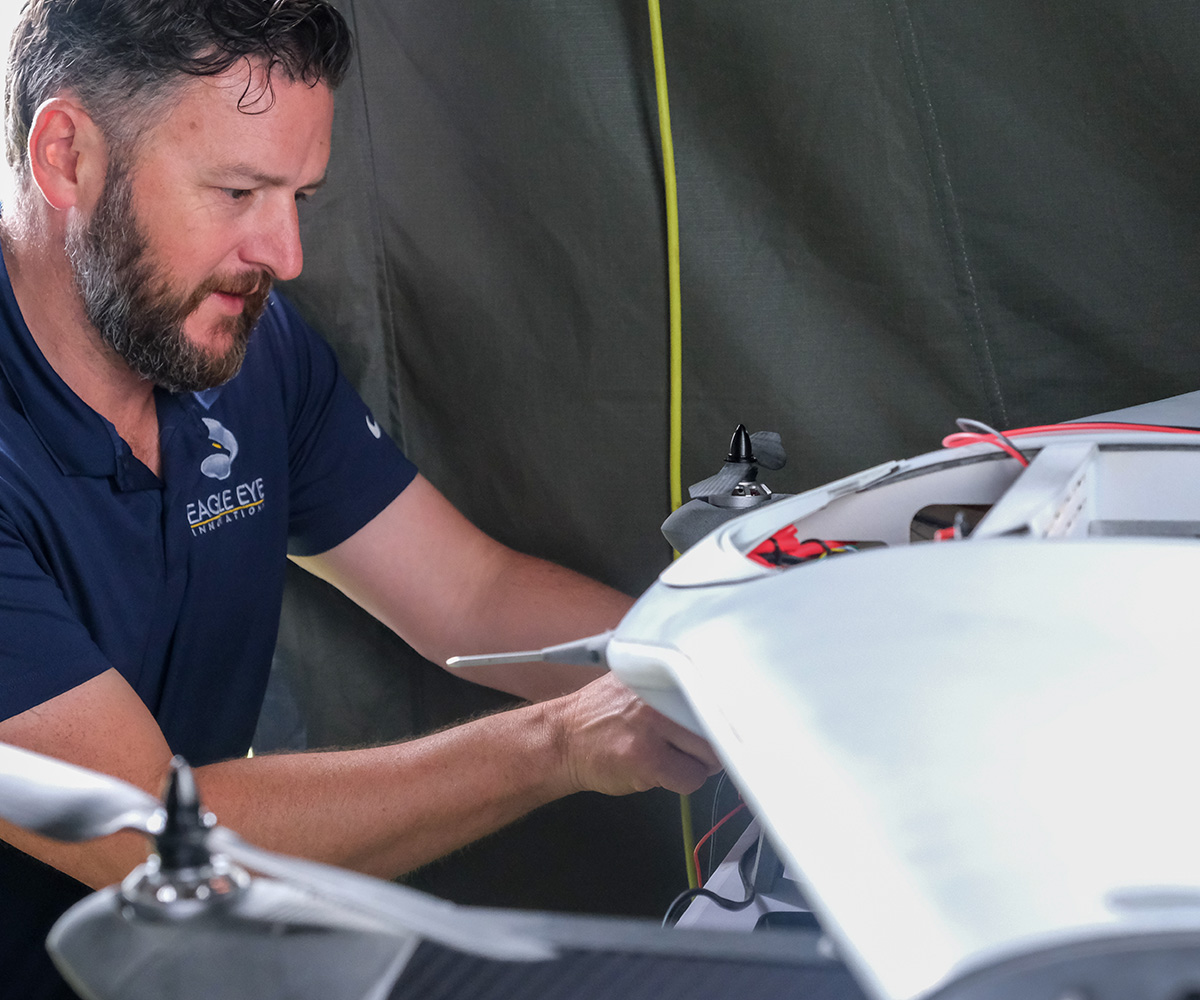
Craig served for 23 years in the RAF, having joined as an Assistant Air Traffic Controller (AATC) in Jan 1987. Progressing to become a controller following the Joint Air Traffic Control Course (JATCC) in 2000, he was commissioned in 2004. He latterly served as an ATC supervisor, examining officer and DSATCO at Waddington before deploying to Afghanistan as part of a UK Army Div HQ in Apr 2007.
It was during his time in Afghanistan that he first encountered RPAS, routinely controlling Coalition RPAS assets such as Predator as a Battlespace Manager. Some of the highlights were participation in the joint planning team for airspace integration of H450 RPAS in Helmand Province and assistance to Australian Special Forces in the operation of Scaneagle in Uruzgan Province.
He left the RAF in 2009 and entered the commercial RPAS sector in 2011, gaining a commercial drone pilot qualification in 2012. Having decided to improve on the only RPAS pilot training school in the UK at that time, he developed a syllabus for Resource Group Unmanned Aviation Services (now RUAS), presented the concept to the CAA in late 2012 and was awarded National Qualified Entity (NQE) status in Aug 2013. A successful two years of training followed with over 800 students passing through the Remote Pilot Qualification – Small (RPQ-S) programme. During this period, he also rolled out a successful managed service programme and in 2014 RUAS was awarded a place on the embryonic Network Rail Framework Contract, one of only 4 UK suppliers chosen.
After a short stint with a London based RPAS services startup, he set up an independent consultancy focused on the delivery of a wide range of services including OSC generation, SMS establishment and auditing, training development and delivery, concept development and outsourced flight assessing. In early 2019 he joined Animal Dynamics, an Oxford based startup developing a number of novel RPAS for different sectors. Initially Head of Quality and Safety, his portfolio included Flight Operations, Security, IT and Facilities. During this period, he led the generation of complex OSC for 50-400kgs MTOW RPAS and coordinated the operation of these systems in UK, US and Europe.
He is passionate about aviation safety and is currently in the final year of a 3-year, part time MSc in Aviation Safety Management, Risk and Regulation (ASMRR) at Cranfield University. Finally, he is a participating member of the BEIS Drone Industry Action Group (DIAG) and a stakeholder on the UKRI sponsored Future Airspace Industry Working Group (FAIWG) which will shortly present a joint industry white paper response to DfT on the recently release Airspace Modernization Strategy (AMS).
In his spare time, he’s a wannabe elite surfer, and enjoys time with his granddaughter and campervan trips and hill walking with his wife Anita.
News
Parliamentary launch highlights role of regional airports in delivering the UK’s future flight ambitions Industry leaders, policymakers and aviation stakeholders gathered in Parliament today to launch a new vision for accelerating the UK’s future flight economy through the creation of... Read more
News
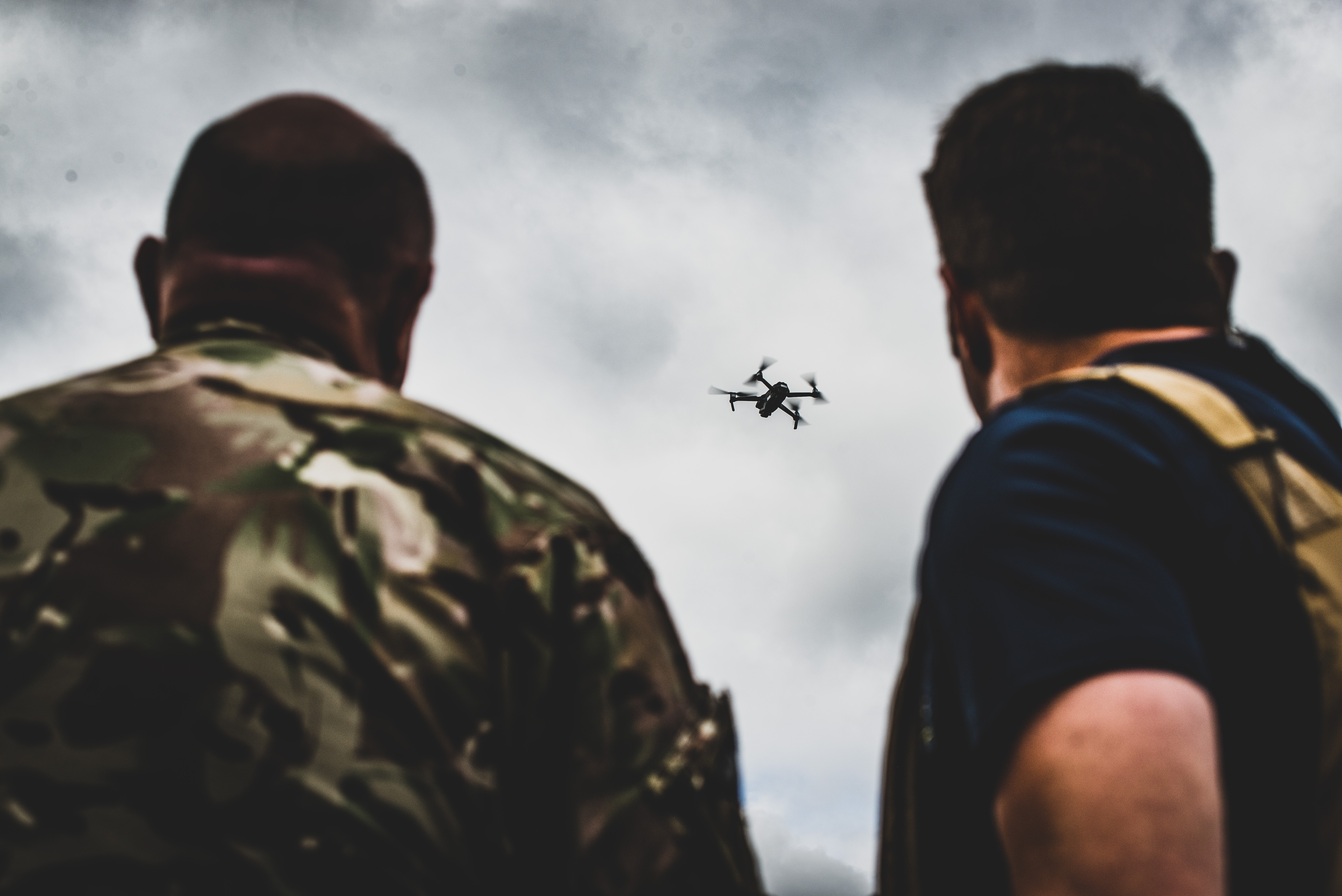
The UK’s £5 billion investment in drones and autonomous systems represents a major shift in defence capability. However, technology alone is not enough. Success depends on skilled personnel, robust operating frameworks, and effective integration into real-world operations. In this article we'll explore how defence organisations can turn drone investment into scalable operational capability, and how Eagle Eye Innovations helps bridge the gap between strategy, training, and deployment to deliver mission-ready outcomes.
News
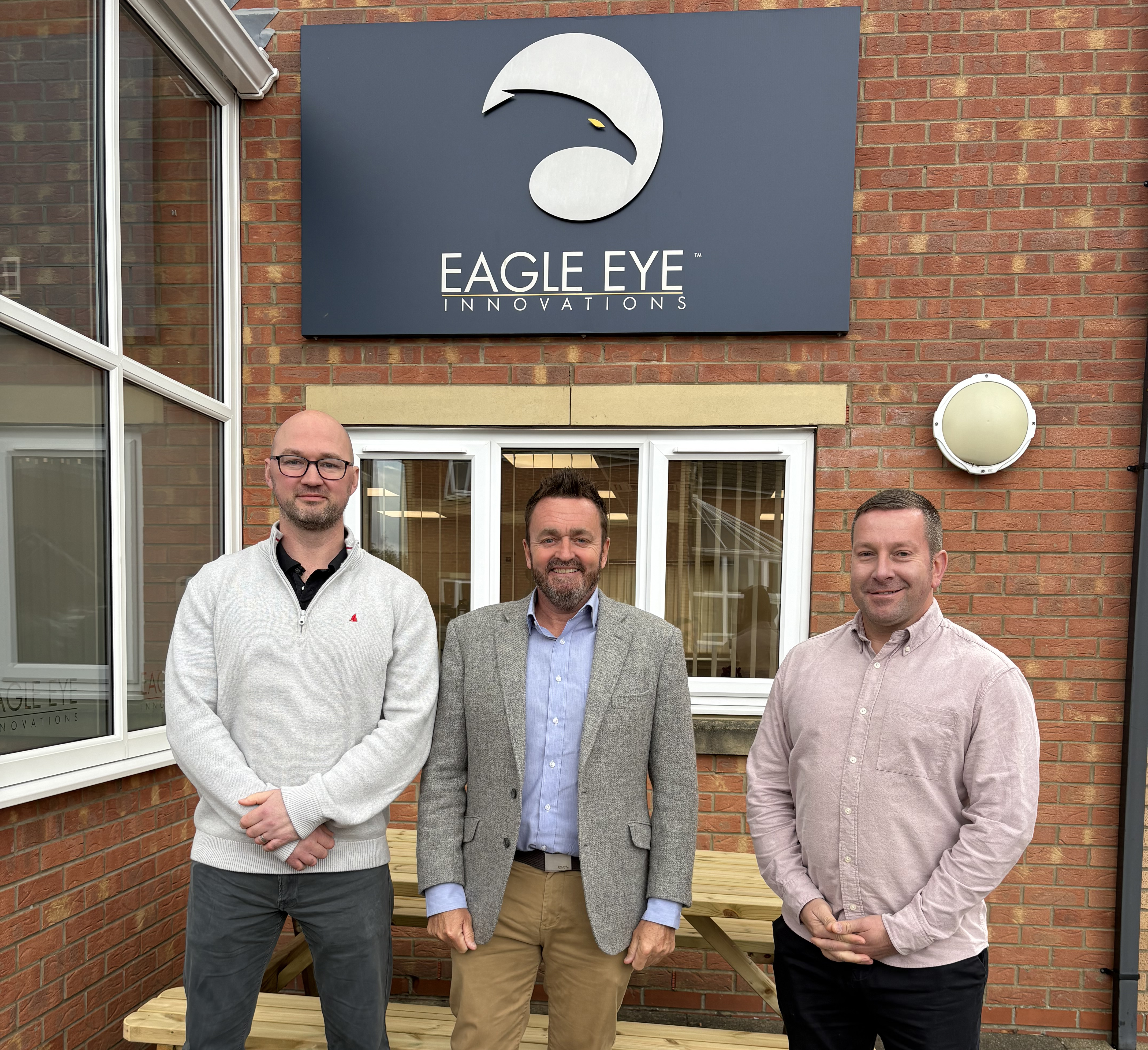
Eagle Eye Innovations partners with Capytech UK to revolutionise drone training through a powerful, scalable LMS for modern aviation professionals.
News
ARPAS‑UK members can access a 10% discount on Eagle Eye Innovations’ RPC-L1 and future RPC-L2 training, offering accredited, professional drone pilot development.
Case Studies
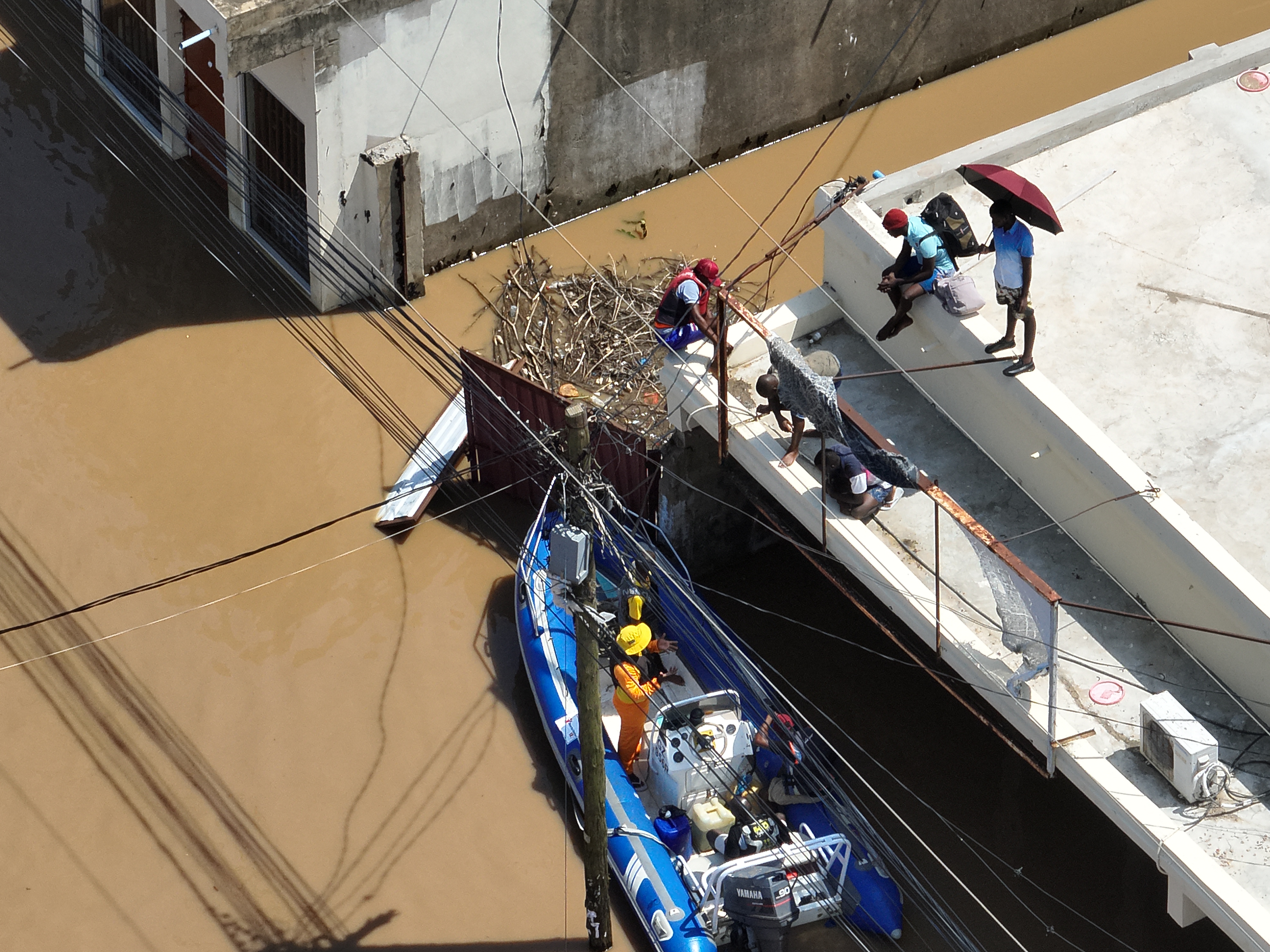
When devastating floods struck Mozambique in January 2026, UK International Search and Rescue (UKISAR) teams were deployed to operate in extreme and inaccessible conditions. Four Kent Fire and Rescue Service Technical Rescue firefighters played a vital role, using drone technology to support life‑saving missions across vast flood plains.
News
On Mon 3 Mar 2025, the UK Civil Aviation Authority (CAA) published ORS9, Decision 46, setting out the UK Specific Operations Risk Assessment (SORA) methodology as Acceptable Means of Compliance (AMC) to UK Regulation (EU) 2019/947 Article 11. The CAA... Read more






You need to have an RPC-L1 Aeroplane qualification to begin this course, as this will build upon the fundamentals of fixed wing flying to convert you to type on our impressive DeltaQuad Evo RPAS. What’s more, you will also learn how to use the exceptional Auterion Mission Planner, which is the brains of the operation when using DeltaQuad. This is a VLOS course only, although we have the ability to further expand on this into the BVLOS environment, provided the correct regulatory approvals are established. Experience this cutting-edge VTOL RPAS now and let us show you how it can further benefit your operations.
Our new 1-day Observers course is designed to expand your RPAS crewing capabilities and de-risk more complex operations through the provision of professionally qualified RPAS safety observers. Utilising proven aviation standards and procedures, our professional and
experienced instructors will guide you through the fundamentals of Crew Resource Management, crew communications, RPAS control and coordination and give you the practical experience you need to maximise the benefits of your RPAS for VLOS operations and beyond.
If you hold a valid GVC and want to convert to an RPC-L1 qualification in the same category of UAS, under the CAA you are exempt from conducting the theory elements of the course and may progress directly to the practical elements. Therefore, you simply need to book
onto either our conversion course or the practical days of a full RPC-L1 course (provided there is capacity to fit you in). This will provide you with the minimum of 2-hours flight instruction before you attempt the flight assessment. Proof of GVC validity will be required prior to conducting the training.
This course is designed to qualify you in either Rotorcraft or Aeroplane, noting that you only need to conduct the practical aspects of the course, provided you have successfully passed the full Level 1 course in the other discipline.
(Please note this does not include conversion onto our DeltaQuad platform; that is a bespoke course in its own right).
 Make an enquiry